


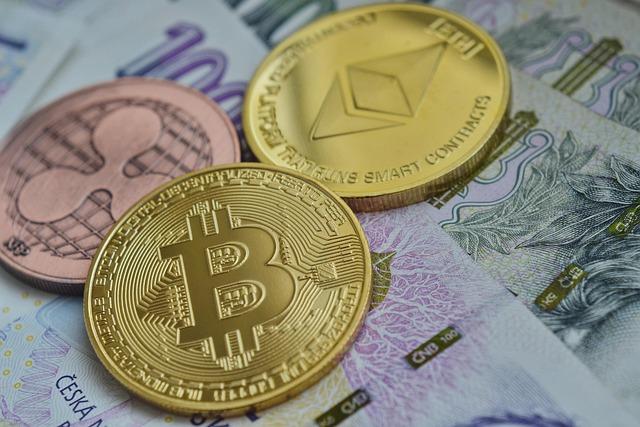
As the cryptocurrency market matures, traditional financial institutions are increasingly eyeing digital assets as viable investment vehicles. The recent surge in proposals for exchange-traded funds (ETFs) centered on leading blockchain tokens like XRP and Solana has intensified debates over the future direction of decentralized finance. While proponents hail these ETFs as a sign of Wall Street validation that could spur mainstream adoption, critics warn they may undermine the core principles of decentralization that underpin the crypto ethos. This article explores the contrasting perspectives surrounding XRP and Solana ETFs, examining whether they represent a new chapter of legitimacy or a potential existential threat to blockchain autonomy.
Wall Street Embrace of XRP and Solana ETFs Signals New Era for Crypto Investments
Wall Street’s recent endorsement of XRP and Solana ETFs marks a pivotal shift in the relationship between traditional finance and the crypto sphere. Institutional investors, once skeptical of digital assets, are now channeling capital through regulated, exchange-traded vehicles that offer exposure to these blockchain projects without the challenges of direct ownership. This development enhances liquidity and mainstream accessibility, potentially driving the next wave of adoption. However, it also raises questions about the essence of decentralization, as increased Wall Street involvement could centralize control and influence over ecosystems originally prized for their distribution and autonomy.


While the financial world praises the transparency and compliance that ETFs bring, purists warn of inherent compromises. The ETFs package complex technologies into standardized products, often smoothing out the volatility that many retail investors find attractive but also integral to the decentralized ethos. Key considerations include:

- Regulatory Oversight: ETFs must adhere to strict guidelines, possibly influencing project governance.
- Market Impact: Greater institutional inflows may reduce grassroots participation, affecting price dynamics.
- Custodial Risks: Asset holders may forfeit direct control when investing through ETFs.
| Aspect | Potential Benefit | Potential Drawback |
|---|---|---|
| Liquidity | Improved market depth | Possible price manipulation |
| Accessibility | Easier for traditional investors | Detachment from native networks |
| Decentralization | Wider adoption | Risk of central control consolidation |
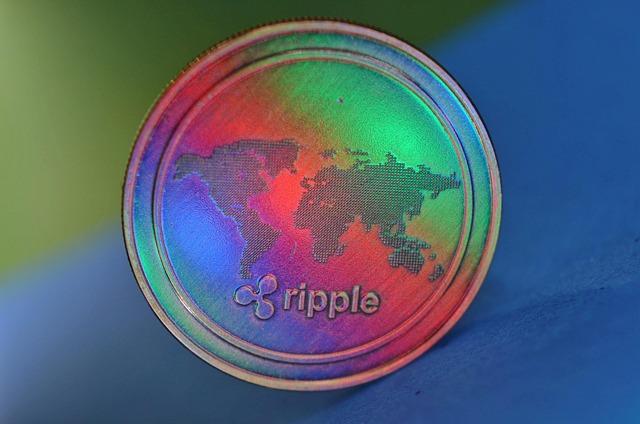
Analyzing the Impact of ETF Listings on the Decentralization Ethos of Blockchain Networks
The introduction of ETFs for assets like XRP and Solana marks a pivotal moment, signaling greater institutional acceptance of these blockchain networks. However, this Wall Street validation comes with a paradoxical risk: the potential dilution of blockchain’s core principle of decentralization. ETFs inherently depend on centralized entities—fund managers, custodians, and exchanges—that aggregate and control large volumes of tokens, raising concerns about whether true decentralization is inadvertently compromised. Critics argue that the concentration of digital assets in institutional hands may skew governance dynamics, tilting influence away from the distributed community towards a limited set of powerful actors.
Nevertheless, supporters maintain that ETFs democratize access, allowing everyday investors to participate without navigating complex wallets or exchanges, ultimately broadening the network’s reach. The balance between benefits and drawbacks can be summarized as:
- Pros: Increased liquidity, legitimation by financial institutions, simplified investor onboarding.
- Cons: Heightened centralization risk, custodial vulnerability, potential governance manipulation.
| Factor | Traditional Blockchain Ethos | ETF Influence |
|---|---|---|
| Token Custody | Community-held wallets | Institutional custodians |
| Governance | Decentralized voting | Potential concentrated voting power |
| Access | Crypto-savvy investors | Mass market investors |
 Solana ETF Approvals”>
Regulatory Challenges and Market Implications Surrounding XRP and Solana ETF Approvals
The path toward ETF approvals for XRP and Solana is fraught with significant regulatory hurdles, reflecting the cautious stance of authorities amid broader industry uncertainty. The U.S. Securities and Exchange Commission (SEC) remains particularly skeptical about classifying these digital assets under existing securities laws, leading to prolonged delays and rejections. This regulatory ambiguity not only stalls potential market growth but also fuels intense debate among stakeholders. Financial institutions advocate that ETFs could bring much-needed legitimacy and liquidity, while purists caution that increased regulatory oversight risks stifling the core principles of decentralization and innovation that underpin these blockchain networks.
Key challenges include:
- Classification Concerns: Whether XRP and Solana tokens qualify as securities, impacting legal frameworks and investor protections.
- Market Manipulation Fears: Regulatory bodies emphasize the need for robust safeguards against volatility and fraud, complicating approval processes.
- Transparency Demands: Increased disclosure requirements that may contrast with the ethos of decentralized governance.
| Regulatory Aspect | Potential Impact |
|---|---|
| SEC Approval | Boosts mainstream adoption but raises compliance costs |
| Investor Access | Increases liquidity and lowers entry barriers |
| Network Decentralization | May face centralization pressures due to institutional involvement |
Investor Strategies for Navigating the Opportunities and Risks of Emerging Crypto ETFs
Investors looking into emerging crypto ETFs that feature tokens like XRP and Solana face a multifaceted landscape. On one side, these ETFs provide an unprecedented avenue for portfolio diversification, offering exposure to high-growth digital assets without the complexities of direct ownership. Key strategies include thorough due diligence on the fund’s structure, understanding the underlying asset’s network fundamentals, and weighing liquidity against potential regulatory scrutiny. Market participants must also acknowledge that these ETFs often track tokens associated with distinct blockchain philosophies—XRP with centralized ledger oversight, Solana with ultra-fast but decentralized protocols—shedding light on the risks of placing faith in a securitized vehicle backed by inherently decentralized technologies.
Investors should prepare for volatility driven not only by crypto market cycles but also by competing narratives around decentralization versus institutional endorsement. The following checklist can guide critical evaluation:
- Regulatory environment: Analyze the legal precedents influencing crypto ETF approvals and restrictions.
- Underlying asset governance: Assess how the governance models of XRP and Solana affect fund stability.
- ETF management: Scrutinize fund managers’ experience with digital assets and their risk mitigation frameworks.
- Liquidity and market impact: Consider trading volumes and potential price manipulations within the ETF vehicle.
| ETF Feature | XRP ETF | Solana ETF |
|---|---|---|
| Decentralization Level | Moderate (Ripple Labs control) | High (Open-source validators) |
| Volatility Profile | Medium | High |
| Regulatory Risk | Elevated (SEC scrutiny ongoing) | Moderate |
| ETF Liquidity | Relatively strong | Growing but nascent |
Key Takeaways
As XRP and Solana ETFs inch closer to approval, the cryptocurrency community and Wall Street alike watch with keen interest. While these financial products promise greater market accessibility and institutional validation, they also raise important questions about the future of decentralization—a core tenet of blockchain technology. Whether these ETFs will ultimately serve as a bridge to mainstream adoption or signify a shift toward increased centralization remains to be seen. What is certain, however, is that the evolving ETF landscape will continue to play a pivotal role in shaping the trajectory of both XRP, Solana, and the broader crypto ecosystem.