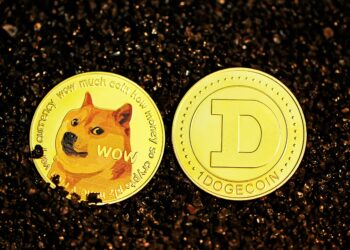


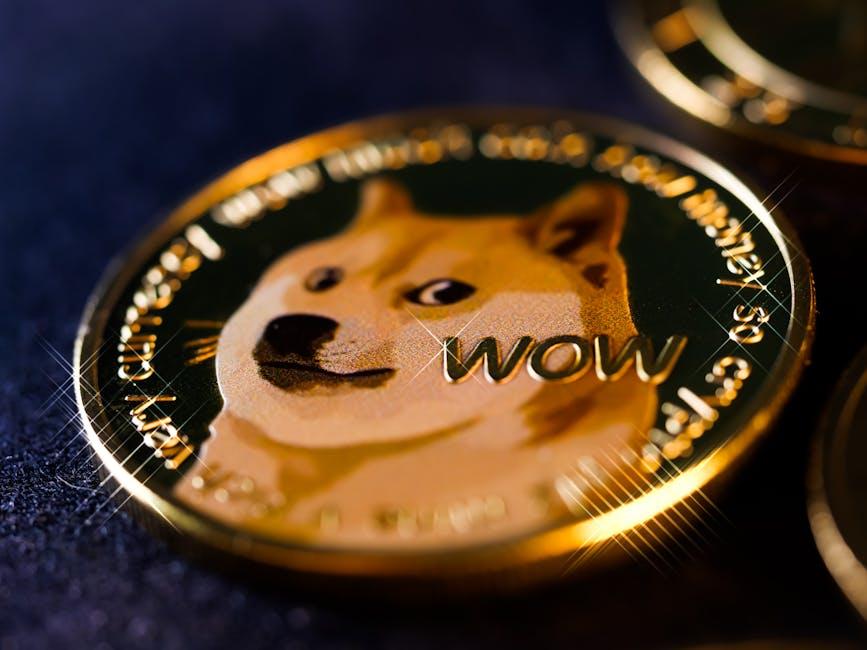
As Dogecoin (DOGE) experiences renewed market interest and a notable price rally, investors and analysts are revisiting the question: Is Dogecoin still worth investing in? Originally created as a lighthearted alternative to traditional cryptocurrencies, Dogecoin’s recent surge has sparked vigorous debate over its long-term value and viability as an investment asset. This article examines the factors driving DOGE’s current momentum, evaluates its fundamental strengths and risks, and considers what the future may hold for this once-niche digital currency.
Dogecoin’s Recent Performance and Market Dynamics
Dogecoin has experienced significant volatility over recent months, driven largely by social media hype, influential endorsements, and a growing community of retail investors. After a period of relative dormancy, the cryptocurrency witnessed a sharp rally that reignited interest but also brought heightened scrutiny. Market dynamics suggest that while short-term gains are possible, the coin’s performance remains heavily dependent on external sentiment rather than fundamental value. Factors such as increased meme-token popularity and speculative trading patterns contribute to its price fluctuations, making Dogecoin a challenging asset for long-term portfolio stability.


Examining Dogecoin’s recent metrics offers insight into its unpredictable trajectory:


| Metric | Value | Interpretation |
|---|---|---|
| 24-Hour Trading Volume | $1.8 Billion | Strong liquidity reflecting active trading |
| Price Change (7 days) | +12.6% | Moderate upward momentum |
| Market Cap Rank | 13th | Maintains top-tier market presence |
Investors should weigh these figures against broader market conditions, including regulatory developments and shifts in investor appetite for alternative cryptocurrencies. Key risks to consider include the token’s inflationary supply model and its reliance on cultural relevance rather than utility. Ultimately, Dogecoin’s trajectory will likely hinge on continued community engagement and its ability to transition from meme status to recognized asset, tasks that are as formidable as they are uncertain.

Analyzing Fundamental Factors Influencing Dogecoin’s Long-Term Viability
Dogecoin’s viability extends beyond its meme-driven origin, resting heavily on several fundamental factors that shape its long-term potential. At the forefront is the community engagement, which remains one of the most active and enthusiastic of any cryptocurrency ecosystem. This decentralized but tightly-knit network fuels adoption through grassroots initiatives, social media influence, and high-profile endorsements. Additionally, Dogecoin’s transaction speed and cost-efficiency continue to make it a preferred option for microtransactions and tipping, contrasting sharply with higher-fee networks like Bitcoin and Ethereum.
However, Dogecoin’s sustainability also faces critical challenges. Its inflationary tokenomics, characterized by a steady annual issuance of 5 billion coins, raises concerns about potential supply devaluation over time. Furthermore, its lack of ongoing technical upgrades compared to competitors could hinder usability improvements and security enhancements in the future. The table below highlights key factors influencing Dogecoin’s long-term outlook:
| Factor | Impact on Viability | Outlook |
|---|---|---|
| Community Support | Strong engagement and widespread use | Positive |
| Transaction Efficiency | Low fees, fast processing | Positive |
| Token Inflation | Continuous coin issuance | Negative or Neutral |
| Development Activity | Limited upgrades and innovation | Negative |
Comparative Assessment of Dogecoin Against Other Cryptocurrencies
While Dogecoin initially began as a meme-inspired alternative to Bitcoin, its market behavior and technological robustness invite a more nuanced comparison to top cryptocurrencies. Unlike Bitcoin and Ethereum, which emphasize scarcity and smart contract functionality respectively, Dogecoin offers a significantly larger supply and faster transaction confirmation times. This trade-off has made DOGE attractive for microtransactions and tipping within digital communities but raises questions around long-term value retention compared to deflationary assets.
Key differentiators to consider:
- Supply: Dogecoin’s circulating supply exceeds 140 billion tokens, contrasting with Bitcoin’s fixed 21 million.
- Transaction Speed: Dogecoin transactions confirm approximately every 1 minute, much faster than Bitcoin’s 10-minute average.
- Community & Usage: A highly engaged community supports Dogecoin, expanding its real-world applications beyond speculative trading.
| Cryptocurrency | Max Supply | Transaction Speed | Primary Use Case |
|---|---|---|---|
| Dogecoin | Unlimited (140B+ current) | ~1 minute | Microtransactions, Community Tipping |
| Bitcoin | 21 million | ~10 minutes | Store of Value |
| Ethereum | Unlimited | ~13 seconds | Smart Contracts & DApps |
Investment Strategies and Risk Management for Potential Dogecoin Investors
For investors eyeing Dogecoin, adopting a diversified approach is crucial in mitigating the inherent volatility of the cryptocurrency market. Rather than allocating significant capital into DOGE alone, blending it with more established assets or other cryptocurrencies can soften potential shocks stemming from sudden price swings. Employing dollar-cost averaging (DCA) also allows investors to spread out their entry points, reducing the impact of market timing risks and better managing emotional decision-making during periods of rapid rally or decline.
Risk management strategies should emphasize strict stop-loss orders and continuous portfolio rebalancing to protect gains and limit downside exposure. Potential investors must stay informed about Dogecoin’s market sentiment, regulatory developments, and technological updates, as these factors heavily influence its price dynamics. The table below outlines basic risk management tactics tailored for volatile crypto assets like Dogecoin:
| Strategy | Purpose | Implementation |
|---|---|---|
| Diversification | Reduce portfolio risk | Invest across various assets |
| Dollar-Cost Averaging | Minimize market timing impact | Regular small investments |
| Stop-Loss Orders | Limit potential losses | Set automatic sale thresholds |
| Continuous Monitoring | React to market shifts | Track news and technicals |
In Retrospect
In conclusion, while Dogecoin’s recent rally has reignited enthusiasm among investors, its long-term value remains a subject of debate among financial experts. Prospective investors should weigh the cryptocurrency’s volatility and underlying fundamentals carefully against their own risk tolerance and investment goals. As the market continues to evolve, staying informed and cautious will be crucial for anyone considering Dogecoin as part of their portfolio.