



Decentralized exchanges (DEXs) have reached a remarkable milestone, recording an all-time high trading volume of $419 billion despite ongoing market corrections, according to data from CoinGecko. This surge underscores the growing adoption and resilience of decentralized finance (DeFi) platforms, as traders increasingly favor DEXs for their transparency, security, and control over assets amid volatile market conditions. The record-breaking volume reflects a significant shift in trading dynamics, signaling robust confidence in decentralized trading ecosystems even as traditional markets experience fluctuations.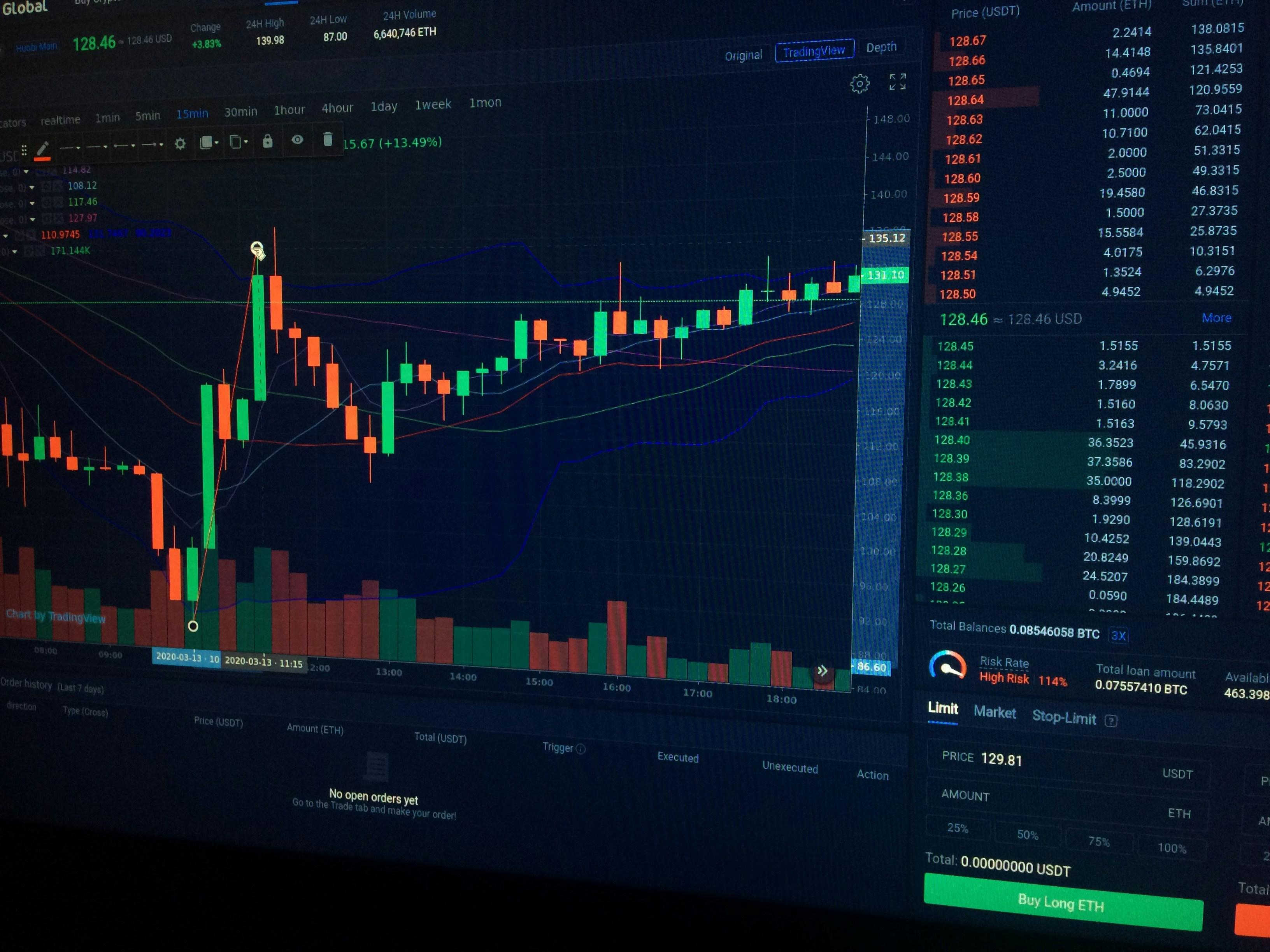
DEXs Break New Ground Surpassing 419 Billion in Trading Volume
Decentralized exchanges (DEXs) have once again demonstrated their resilience and growing dominance within the crypto ecosystem. Despite recent market corrections, the aggregated trading volume on DEX platforms has surpassed a staggering $419 billion, marking an unprecedented milestone for decentralized trading. Key factors driving this surge include enhanced liquidity provisions, rising user adoption, and improvements in cross-chain compatibility. Protocols like Uniswap, SushiSwap, and PancakeSwap have led the charge, benefiting from increased activity in yield farming and NFT-related transactions.


The following table illustrates the top DEXs contributing to this record-breaking volume along with their respective market shares, revealing a diversified yet robust landscape:


| DEX Platform | Volume (in $B) | Market Share (%) |
|---|---|---|
| Uniswap | 145 | 34.6% |
| SushiSwap | 72 | 17.2% |
| PancakeSwap | 59 | 14.1% |
| Curve Finance | 52 | 12.4% |
| Others | 91 | 21.7% |
Moreover, innovative features such as gas fee optimization, enhanced security protocols, and integration with decentralized identity systems are positioning DEXs as frontline infrastructures for future decentralized finance (DeFi) advancements. Analysts emphasize continued growth potential as institutional interest grows alongside retail participation. Key challenges, like scalability and regulatory clarity, remain, but market participants are optimistic that decentralized trading will maintain its impressive momentum going forward.
- Record-breaking daily active users: Surpassing previous highs, signaling strong community engagement.
- Multi-chain expansion: Boosting accessibility and reducing network congestion.
- Liquidity mining incentives: Driving higher capital inflows and trader activity.

Market Corrections Fail to Deter Decentralized Exchange Growth Momentum
Despite recent market corrections that sent shockwaves through the crypto industry, decentralized exchanges (DEXs) have demonstrated remarkable resilience and sustained growth. According to CoinGecko’s latest analytics, DEX trading volume soared to an unprecedented $419 billion, marking a historic peak. This surge underscores a shifting preference among traders who increasingly value the security, transparency, and autonomy offered by decentralized platforms over traditional centralized alternatives.
The sustained momentum is driven by several key factors that continue to bolster DEX adoption:
- Innovative AMM models: Enhanced automated market makers (AMMs) optimize liquidity provision and reduce slippage.
- Cross-chain interoperability: Bridging different blockchains allows users to seamlessly swap assets and diversify portfolios.
- Enhanced user experience: Streamlined interfaces and lower fees attract both retail and institutional participants.
- DeFi integration: DEXs serve as critical gateways into decentralized finance ecosystems, fueling further growth.
| Metric | Q1 2024 | Q2 2024 |
|---|---|---|
| DEX Volume | $320B | $419B |
| Number of Active Users | 2.8M | 3.4M |
| Top DEX Market Share | 42% | 47% |

Key Factors Driving Record DEX Adoption and User Engagement
Several pivotal elements have fueled the unprecedented surge in decentralized exchange (DEX) activity, pushing the total volume to a staggering $419 billion despite prevailing market setbacks. User autonomy and security remain paramount, attracting traders who prioritize control of their assets without intermediaries. Simultaneously, advancements in Layer 2 solutions have significantly reduced transaction costs and execution times, enhancing the overall user experience. Furthermore, the integration of innovative cross-chain bridges facilitates seamless asset swaps across multiple blockchains, broadening market access and liquidity pools.
Another key driver lies in the robust ecosystem growth supported by decentralized finance (DeFi) protocols that continuously provide fresh incentives such as liquidity mining rewards, yield farming, and governance participation. This symbiotic relationship fosters sustained user engagement and retention. Below, a quick breakdown details critical adoption drivers:
- Enhanced Security: Non-custodial trading mitigates risks of centralized breaches.
- Lower Fees: Layer 2 tech slashes gas expenses.
- Cross-Chain Accessibility: Expanded liquidity options via interoperability.
- Innovative Incentives: Reward schemes boosting participation.
- Community Governance: User-led protocol upgrades foster trust.
| Factor | Impact on Volume |
|---|---|
| Layer 2 Solutions | 40% Cost Reduction |
| Cross-Chain Bridges | 30% Volume Increase |
| Liquidity Mining | 25% User Growth |
| Governance Participation | 15% Improved Retention |

Strategic Recommendations for Investors Navigating the DEX Landscape
Investors engaging with decentralized exchanges must prioritize diversification across multiple DEX platforms to mitigate platform-specific risks. Given the rapid innovation and varied liquidity pools, spreading assets helps balance out volatility. Additionally, closely monitoring protocol upgrades and governance proposals can offer insights into future platform stability and feature enhancements, enabling proactive investment adjustments. It’s also crucial to assess fee structures and slippage rates, as these factors directly influence trading efficiency and overall returns in the DEX ecosystem.
Considering the evolving regulatory landscape is equally vital. Investors should examine the compliance measures and security audits conducted by each DEX to ensure funds are protected against potential vulnerabilities. Leveraging on-chain analytics tools can provide real-time data on liquidity flows, user activity, and emerging trends, which supports informed decision-making. Below is a concise overview of key metrics to track when evaluating DEX investments:
| Metric | Why It Matters | Ideal Range |
|---|---|---|
| Liquidity Depth | Ensures smooth trade execution | High (>$100M) |
| Trading Volume | Indicates activity and interest | Consistent & Growing |
| Security Audits | Protects from exploits | Regular, Independent |
| Transaction Fees | Impacts profitability | Competitive & Transparent |
Insights and Conclusions
As decentralized exchanges continue to break records with a historic $419 billion in trading volume, their growing prominence underscores a significant shift in the crypto landscape. Despite ongoing market corrections, heightened user adoption and innovative protocol developments have propelled DEXs to new heights, signaling robust resilience and expanding influence. Moving forward, market participants and industry observers will be closely watching how decentralized trading platforms adapt and evolve amid an ever-changing financial ecosystem.