
Ethereum and Solana are once again leading the blockchain sector in developer activity, signaling robust innovation and ongoing project developments on both platforms. Despite this surge in technical engagement, the market has not mirrored this enthusiasm, as the prices of their native tokens have faced persistent challenges. This disconnect between heightened developer interest and stagnant or declining token valuations raises critical questions about the underlying factors influencing investor sentiment and market dynamics within the crypto ecosystem.
Ethereum and Solana Lead Developer Engagement Despite Market Headwinds
Despite prevailing market challenges, Ethereum and Solana continue to dominate the landscape in terms of developer participation. This sustained momentum is largely attributed to their robust ecosystems, continuous protocol upgrades, and vast community support. Developers are drawn to features like Ethereum’s transition towards proof-of-stake and Solana’s high throughput capabilities, enabling innovative decentralized applications to flourish. These technical advancements fuel ongoing investments in developer tools, grants, and hackathons, solidifying their leadership in on-chain activity.
Interestingly, this surge in developer involvement contrasts sharply with the price performance of both networks’ native tokens. Market sentiment is influenced by macroeconomic uncertainties, regulatory scrutiny, and competitive pressure from emerging blockchains, which often overshadow fundamental progress. Below is a snapshot illustrating the developer engagement metrics juxtaposed with recent price trends:

| Metric | Ethereum | Solana |
|---|---|---|
| Active Monthly Developers | 3,200 | 1,450 |
| Protocol Upgrades This Year | 4 | 6 |
| Price Change (6 months) | -12% | -18% |
| Grants & Incentives | Ongoing | Ongoing |
- Ethereum’s upgrade roadmap maintains developer interest despite regulatory headwinds.
- Solana’s speed and cost-efficiency continue to attract game developers and DeFi projects.
- Price dips reflect short-term market volatility, not long-term developer confidence.
Analyzing the Disconnect Between Developer Activity and Token Price Performance
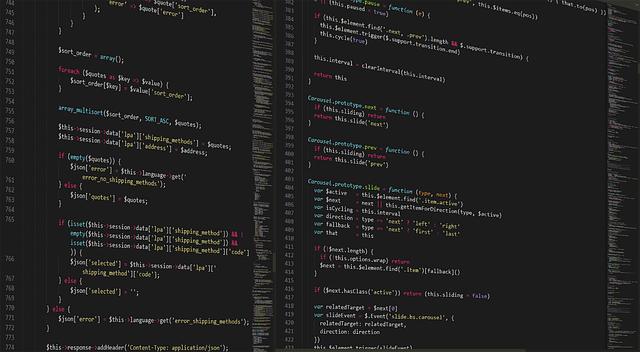
Despite Ethereum and Solana consistently leading in developer activity metrics — characterized by frequent code commits, innovative protocols, and vibrant community engagement — their market prices tell a decidedly different story. This divergence underscores a complex relationship between technological progress and investor sentiment. While an active developer ecosystem typically signals robust long-term potential, short-term price dynamics can remain subdued due to factors such as macroeconomic uncertainty, regulatory concerns, and shifting capital flows within the crypto sector. Consequently, price stagnation or declines do not necessarily reflect a lack of innovation but rather a broader, multifaceted market landscape where fundamentals and speculation coexist uneasily.
The sustained developer momentum translates into a variety of tangible benefits that often go unnoticed in price charts alone. Key advantages include:
- Continuous protocol upgrades: Enhancing scalability, security, and decentralization
- New DeFi and NFT applications: Expanding user utility and ecosystem diversity
- Strong developer community: Driving cross-project collaboration and knowledge sharing
- Increased institutional interest: Attracted by evolving infrastructure and governance mechanisms
| Metric | Ethereum | Solana |
|---|---|---|
| Active Developers (Monthly) | 1,200 | 900 |
| Protocol Updates (Q1 2024) | 15 | 10 |
| DeFi Projects Launched | 48 | 35 |
| Price Change (Past 3 Months) | -8% | -12% |

Key Challenges Impacting Price Momentum for Ethereum and Solana
Despite a resurgence in developer activity for Ethereum and Solana, their price momentum remains muted due to a combination of persistent macroeconomic and sector-specific hurdles. Both networks face ongoing concerns around regulatory clarity, which continues to inject uncertainty among investors. Rising interest rates, inflation fears, and geopolitical tensions have further sapped risk appetite in broader financial markets, indirectly weighing on digital assets. Additionally, scalability challenges and network congestion episodes have, at times, raised questions about long-term usability and cost efficiency, keeping price gains in check.
Furthermore, competition from emerging blockchain platforms with novel consensus mechanisms and lower fees is gradually fragmenting developer and investor interest, diluting Ethereum and Solana’s previously dominant narratives. This is compounded by speculative sentiment swings, where sharp price retracements trigger investor caution. Key challenges include:
- Regulatory uncertainty: Delays in clear policy frameworks create investor hesitancy
- Scalability issues: Transaction bottlenecks and high gas fees on Ethereum
- Market volatility: Macro headwinds reducing crypto’s appeal as a risk asset
- Emerging competitors: New blockchains attracting fresh capital and innovation
| Challenge | Impact on Price Momentum |
|---|---|
| Regulatory Ambiguity | Elevated investor uncertainty, delaying bullish trends |
| Network Scalability | Increased fees dampening adoption pace |
| Macro Market Pressure | Reduced risk tolerance for volatile assets |
| Competitive Ecosystems | Capital and developer attention dilution |

Strategic Recommendations for Investors Navigating Volatile Crypto Markets
To effectively navigate the unpredictable terrain of cryptocurrency, investors need to adopt strategies that emphasize resilience and adaptability. Diversification remains paramount—allocating capital across various top-performing blockchains, including both established names like Ethereum and emerging contenders such as Solana, helps mitigate risk amid price volatility. Embracing a balanced portfolio that factors in developer activity trends rather than merely price momentum can afford a clearer picture of long-term potential.
Additionally, investors should focus on robust entry and exit criteria anchored in ongoing market analysis and network health indicators. Key points to consider include:
- Monitoring Developer Engagement: High coding activity may indicate future technological upgrades or usability enhancements that could impact asset value over time.
- Assessing Market Sentiment: Sentiment analysis tools can help detect shifts in investor mood that precede market reversals or rallies.
- Understanding Macroeconomic Correlations: External factors like regulatory changes or broader financial market stress often disproportionately affect crypto valuations.
| Strategy | Benefit | Key Indicator |
|---|---|---|
| Diversification Across Chains | Risk reduction through balanced exposure | Network developer activity and user growth |
| Technical & Sentiment Analysis | Improved timing for trades | Social media trends and on-chain metrics |
| Macro-event Monitoring | Prepares for external shocks | Regulatory announcements & global economic data |
Key Takeaways
In summary, while Ethereum and Solana continue to lead in developer engagement, the disconnect between robust activity and stagnant or declining token prices highlights the complexity of crypto market dynamics. Factors such as macroeconomic pressures, regulatory uncertainties, and evolving investor sentiment play critical roles beyond on-chain metrics. As these platforms further mature and innovate, monitoring both technical development and broader market influences will be essential for understanding their future trajectory.