


Doge Coin Exchange: Navigating the World of the People's Crypto
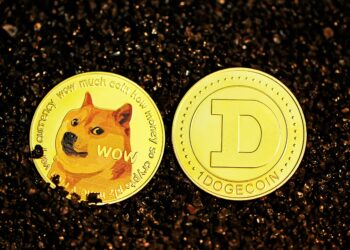
In the dynamic and often unpredictable universe of cryptocurrency, few assets have captured the public imagination quite like Dogecoin. What began as a lighthearted joke in 2013, inspired by the popular "Doge" meme featuring a Shiba Inu dog, has evolved into a cultural phenomenon and a serious, albeit volatile, player in the digital asset market. For newcomers and seasoned traders alike, understanding the intricacies of a Doge coin exchange is the critical first step to participating in this unique corner of the crypto ecosystem. This article delves deep into the world of Dogecoin exchanges, exploring how they function, the factors influencing DOGE's price and value, and the ever-present, speculative art of prediction.
Understanding Dogecoin: More Than Just a Meme
Before engaging with an exchange, it's essential to grasp what Dogecoin is. Created by software engineers Billy Markus and Jackson Palmer, Dogecoin was intended as a fun, friendly, and less intimidating alternative to Bitcoin. It utilizes a proof-of-work consensus mechanism, similar to Litecoin, but with key differences: an abundant supply (over 132 billion coins in circulation, with 10,000 new coins mined every minute) and a low, fixed price per transaction. This design fosters a culture of tipping and micro-transactions rather than digital gold-style hoarding.


Despite its whimsical origins, Dogecoin has developed a robust, passionate community and has garnered high-profile endorsements, most notably from Elon Musk. This community support is a fundamental pillar of its value, often driving sentiment and market movements independently of traditional financial metrics. When you step onto a Doge coin exchange, you are not just trading a digital asset; you are engaging with a powerful social and cultural movement.

The Anatomy of a Doge Coin Exchange
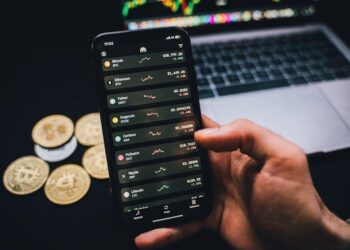
A Doge coin exchange is a digital marketplace where users can buy, sell, and trade DOGE for other cryptocurrencies (like Bitcoin or Ethereum) or for fiat currencies (like US Dollars or Euros). These platforms are the gateways between the traditional financial world and the crypto economy.
Types of Exchanges:
- Centralized Exchanges (CEXs): These are the most common and user-friendly platforms. Companies like Binance, Coinbase, Kraken, and Robinhood act as intermediaries, holding users' funds and facilitating trades. They offer high liquidity, advanced trading features (like margin trading), and fiat on-ramps. However, they require identity verification (KYC) and involve trusting a third party with your assets.
- Decentralized Exchanges (DEXs): Platforms like Uniswap or PancakeSwap operate without a central authority. Trades occur directly between users' wallets through automated smart contracts. They offer greater privacy and control over one's funds but can have a steeper learning curve, lower liquidity for some pairs, and higher network fees.
- Peer-to-Peer (P2P) Exchanges: These platforms, such as LocalCryptos or certain features on Binance, connect buyers and sellers directly. They offer flexibility in payment methods but require more diligence to avoid scams.
Key Considerations When Choosing an Exchange:
- Security: Prioritize exchanges with a strong track record, two-factor authentication (2FA), and cold storage for the majority of user funds.
- Fees: Understand the fee structure—trading fees, withdrawal fees, and deposit fees can significantly impact profitability, especially for frequent traders.
- Liquidity: High liquidity ensures you can buy or sell DOGE quickly at a stable price.
- Supported Regions and Currencies: Ensure the exchange operates in your country and supports your preferred deposit method.
- User Interface: A clean, intuitive interface is crucial, especially for beginners.
The Driving Forces Behind Dogecoin's Price and Value
The value of Dogecoin on any exchange is a complex interplay of various factors, ranging from the fundamental to the purely speculative. Unlike corporate stocks, its price is not tied to revenue or profit but to a different set of dynamics.
1. Market Sentiment and Social Media Influence:
This is arguably the most potent force for DOGE. Trends on Twitter, Reddit (particularly r/dogecoin), and TikTok can cause dramatic surges or dips. Elon Musk's tweets have repeatedly caused double-digit percentage swings. This makes prediction models based purely on technical analysis particularly challenging.
2. Supply and Demand Dynamics:
While Dogecoin has an inflationary supply model (unlimited total supply), its current annual inflation rate is around 3-4%, which decreases as a percentage over time. Demand shocks, driven by news, endorsements, or broader crypto bull runs, can easily outpace this inflation, driving the price up.
3. Broader Cryptocurrency Market Trends:
Dogecoin rarely moves in isolation. It is highly correlated with the fortunes of Bitcoin and the overall crypto market cap. A Bitcoin bull run often lifts DOGE, while a crypto winter typically drags it down.
4. Adoption and Utility:
Real-world use cases enhance long-term value. Over the years, Dogecoin has been accepted by a growing number of merchants, from the Dallas Mavericks to various online services. Each new adoption milestone can positively impact sentiment.
5. Technological Developments:
While Dogecoin's development is intentionally conservative, updates related to security, scalability, or interoperability (like the Dogecoin-Ethereum bridge proposal) can influence investor perception.
The Elusive Art of Dogecoin Price Prediction
Making a prediction about Dogecoin's future price is a venture fraught with uncertainty. Analysts use a blend of methodologies, but all come with significant caveats.
Technical Analysis (TA):
TA involves studying historical price charts and trading volumes to identify patterns and trends. Traders use indicators like Moving Averages, Relative Strength Index (RSI), and Fibonacci retracement levels to make short-to-medium-term predictions. For instance, a sustained break above a key resistance level might be interpreted as a bullish signal. However, for an asset as sentiment-driven as DOGE, TA patterns can break down unexpectedly due to a single tweet.
Fundamental Analysis (FA):
For Dogecoin, FA looks less at financial statements and more at network health and adoption metrics. Key factors include:
- Active Addresses: The number of unique addresses transacting on the network.
- Transaction Volume and Count: Indicators of economic activity.
- Hash Rate: The computational power securing the network (higher is generally better).
- Community Growth: Social media metrics and developer activity.
Sentiment Analysis:
This modern approach uses AI and natural language processing to gauge market mood by scraping news articles, social media posts, and forum discussions. A sudden spike in positive sentiment can sometimes precede a price increase.
Long-Term Prediction Scenarios:
Long-term forecasts are highly speculative. Bullish cases often hinge on Dogecoin solidifying its role as a mainstream medium for tips and small transactions, potentially aided by continued celebrity and corporate adoption. Predictions might suggest value levels tied to broader crypto market penetration. Bearish cases focus on its inflationary model, lack of a formal development roadmap, and the risk of being outcompeted by other payment-focused cryptocurrencies.
It is crucial to remember that all predictions, especially price-target numbers, are educated guesses at best. The crypto market's volatility means any forecast can be rendered obsolete by unforeseen events.
A Practical Guide to Trading Dogecoin on an Exchange
- Research and Select an Exchange: Based on the criteria outlined earlier, choose a reputable platform that suits your needs.
- Create and Verify Your Account: This typically involves providing an email, creating a strong password, and completing KYC procedures with a government ID.
- Secure Your Account: Immediately enable 2FA using an authenticator app (not SMS).
- Deposit Funds: Fund your account using a bank transfer, credit/debit card, or by depositing another cryptocurrency.
- Place an Order:
- Market Order: Buy or sell DOGE instantly at the current best available market price. Simple and fast.
- Limit Order: Set a specific price at which you want to buy or sell. The order will only execute if the market reaches your price. This gives you more control.
- Withdraw to a Private Wallet (Recommended): For security, do not leave large amounts of crypto on an exchange. Withdraw your DOGE to a personal software or hardware wallet where you control the private keys. The Dogecoin Core wallet or multi-asset wallets like Exodus or Ledger are popular choices.
The Risks and Responsibilities
Trading Dogecoin, like any crypto asset, carries substantial risk.
- Extreme Volatility: Double-digit daily swings are common. Only invest what you can afford to lose.
- Regulatory Uncertainty: Government regulations could impact exchanges and the value of DOGE.
- Security Threats: Exchanges can be hacked, and individuals can be phished. Vigilance is paramount.
- Emotional Trading: The fear of missing out (FOMO) and panic selling are major pitfalls. Having a clear strategy is essential.
Conclusion: The Doge Coin Exchange as a Portal
The Doge coin exchange is more than just a trading terminal; it is the primary portal through which the world interacts with this unique digital asset. Navigating it successfully requires an understanding that Dogecoin's value is a hybrid of technology, community faith, and internet culture. While technical charts and fundamental metrics provide a framework, the unpredictable human elements of sentiment and hype play an outsized role in its price discovery. Any prediction about its future must account for this duality.
Whether you view Dogecoin as a serious payment system, a speculative vehicle, or a cultural icon, the exchange is where theory meets practice. By choosing a secure platform, understanding the market forces at play, managing risks, and maintaining a disciplined approach, participants can engage with the Dogecoin phenomenon. In the ever-evolving narrative of crypto, Dogecoin stands as a testament to the power of community—a reminder that in this new financial frontier, value can sometimes be born from a joke and sustained by collective belief.
Frequently Asked Questions
Frequently Asked Questions (FAQ)
Q1: What is a Dogecoin exchange?
A1: A Dogecoin exchange is a digital platform that allows users to buy, sell, and trade Dogecoin (DOGE) for other cryptocurrencies or traditional fiat currencies like US Dollars or Euros.
Q2: How do I choose the best Dogecoin exchange?
A2: Key factors to consider include security features (like two-factor authentication), fees (trading and withdrawal), payment methods accepted, ease of use, customer support, and whether the exchange is available in your geographic region.
Q3: Can I buy Dogecoin with cash on an exchange?
A3: This depends on the specific exchange. Many major exchanges allow you to deposit fiat currency via bank transfer or card purchase to then buy DOGE. Some peer-to-peer (P2P) platforms within exchanges may facilitate direct cash transactions with other users.
Q4: Is it safe to keep my Dogecoin on an exchange?
A4: For long-term holdings, it is generally recommended to transfer your Dogecoin to a private, non-custodial wallet where you control the private keys. Keeping funds on an exchange exposes you to potential security risks like hacking, though reputable exchanges use significant safeguards.