


The Doge Coin Market: From Meme to Mainstream and the Quest for Value
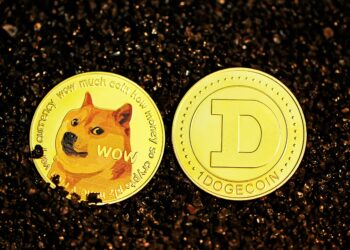
The cryptocurrency landscape is a theater of constant drama, innovation, and speculation. Among its most captivating and paradoxical performers is Dogecoin. Born from an internet joke in 2013, featuring the iconic Shiba Inu dog from the "Doge" meme, Dogecoin (DOGE) has defied expectations, evolving from a lighthearted parody into a serious, multi-billion dollar asset with a fervent community. Understanding the Doge coin market requires peeling back layers of internet culture, celebrity influence, technological fundamentals, and the raw, unpredictable forces of crowd psychology. This article delves into the anatomy of the DOGE market, exploring its price history, the factors driving its value, the perpetual allure of prediction, and its unique position within the broader crypto ecosystem.
The Unlikely Genesis: A Joke with a Heart
Dogecoin was created by software engineers Billy Markus and Jackson Palmer as a direct satire of the wild speculation surrounding Bitcoin and the proliferation of altcoins at the time. Its code was essentially a fork of Lucky Coin, which was itself a fork of Litecoin. It featured an inflationary supply model—initially set at 100 billion coins, with an annual inflation of 5 billion coins added each year thereafter—in stark contrast to Bitcoin’s deflationary, capped supply. This design was intentional, aiming to encourage spending and tipping rather than hoarding, aligning with its community-driven, "fun" ethos.


The early Dogecoin community quickly became legendary for its philanthropic efforts, funding charitable causes like sending the Jamaican bobsled team to the Sochi Olympics and sponsoring a NASCAR driver. This "Do Only Good Everyday" spirit cemented a loyal, passionate base that would become the bedrock of the coin's resilience. The value of Dogecoin, in its purest form, was initially rooted not in financial gain, but in community and lighthearted utility.


Anatomy of a Market: What Drives the Price of DOGE?
The Doge coin price is notoriously volatile, often moving in dramatic surges and corrections that can seem detached from traditional financial metrics. Several key factors interplay to create this volatility:
1. Celebrity and Influencer Endorsement: This is arguably the single most powerful short-term price driver for DOGE. The most prominent figure is Elon Musk, CEO of Tesla and SpaceX, whose tweets, appearances on Saturday Night Live, and public statements have repeatedly triggered massive rallies and sell-offs. His ability to move the market underscores a central truth: Dogecoin’s value is heavily tied to narrative and attention. Other celebrities, from Snoop Dogg to Mark Cuban, have also contributed to its visibility, blending pop culture with finance in an unprecedented way.
2. Retail Investor Sentiment and Social Media: Platforms like Reddit (particularly the r/dogecoin subreddit), Twitter (now X), and TikTok are the epicenters of the Dogecoin market. Coordinated buying efforts, viral hashtags like #DogeToTheMoon, and meme-driven hype can generate immense buying pressure from a global pool of retail investors. This "power of the people" dynamic makes sentiment analysis crucial for any short-term prediction.
3. Broader Cryptocurrency Market Trends: While DOGE often marches to its own drum, it is not immune to the tides of the wider crypto market. During major Bitcoin bull runs or bear markets, Dogecoin generally correlates, albeit with amplified magnitude. Its price often acts as a high-beta version of Bitcoin—gaining more in euphoric phases and falling harder in times of fear.
4. Exchange Listings and Utility Developments: Each new listing on a major exchange (like Coinbase's addition of DOGE in 2021) provides easier access for millions of new investors, typically causing a price spike. Furthermore, any news regarding increased utility—such as Tesla briefly accepting it for merchandise, or integration into payment systems like BitPay—fuels speculation about its transition from a meme to a medium of exchange, thereby affecting its perceived fundamental value.
5. The Inflationary Supply Model: Unlike Bitcoin, DOGE has no hard cap. The fixed, perpetual annual inflation means that, theoretically, the price must be supported by continuously growing demand and adoption to appreciate over the very long term. This is a fundamental point of debate among analysts when making a long-term prediction.
The Siren Song of Prediction: Forecasting the Unforecastable
The quest to prediction the future price of Dogecoin is a thriving industry of technical analysts, AI models, and self-proclaimed prophets. Approaches generally fall into three categories:
Technical Analysis (TA): Traders scrutinize DOGE/USD charts, applying indicators like Moving Averages, Relative Strength Index (RSI), and Fibonacci retracement levels to identify patterns and potential support/resistance zones. Given its susceptibility to hype cycles, these patterns can sometimes offer short-term guidance, but are frequently obliterated by a single tweet.
Fundamental Analysis (FA): For Dogecoin, this is less about corporate earnings and more about network metrics. Analysts look at:
- Active Addresses: A measure of user adoption and network activity.
- Transaction Volume and Count: Indicators of actual use versus mere speculation.
- Hash Rate: The computational power securing the network (Dogecoin is merged-mined with Litecoin, sharing its security).
- Development Activity: Updates to the core protocol or wallet software.
- Social Dominance and Sentiment: Metrics from platforms like LunarCrush that gauge online buzz.
Sentiment and Narrative Analysis: This is perhaps the most "Doge-specific" method. It involves monitoring social media trends, influencer commentary, and news headlines. A prediction might hinge on anticipating a major celebrity mention or decoding the implications of a cryptic Elon Musk tweet.
It is critical to understand that all prediction models for Dogecoin come with an enormous caveat: its market is fundamentally driven by virality and sentiment to a degree unmatched by any other major crypto asset. This makes it exceptionally high-risk and unpredictable.
Dogecoin's Value Proposition: Beyond the Meme
The central question for any investor is: What is Dogecoin's intrinsic value? The answer is complex and subjective.
As a Medium of Exchange: Dogecoin's founders envisioned it as a fun, fast, and low-fee currency for online tipping and small transactions. Its one-minute block time and low transaction costs (fractions of a cent) make it technically superior to Bitcoin for small, everyday payments. If adoption for micro-transactions, content monetization, or point-of-sale payments grows, this utility could form a foundational value layer.
As a "People's Crypto" and Brand: Dogecoin’s value is inextricably linked to its brand—one of accessibility, humor, and anti-elitism. It served as a gateway crypto for millions who found Bitcoin intimidating. This powerful brand equity and the loyalty of its community are intangible assets that cannot be ignored. In a digital economy, community and culture have value.
As a Speculative Asset: For many, Dogecoin's primary value is as a high-risk, high-reward speculative instrument. Its volatility provides trading opportunities, and its narrative-driven nature offers the chance to capitalize on viral moments. In this view, its value is derived purely from the market's willingness to buy it at a higher price later—the greater fool theory.
The Store of Value Debate: Dogecoin is a poor candidate for a "digital gold" store of value due to its inflationary supply. Its design encourages circulation, not long-term hoarding. Therefore, comparing its value proposition directly to Bitcoin's is a category error.
The Future: Challenges and Possibilities
The path forward for the Doge coin market is fraught with both opportunity and peril.
Challenges:
- Dependency on Narrative: Over-reliance on a few key individuals for momentum is a systemic risk.
- Inflationary Pressure: The constant issuance of new coins requires relentless demand growth to sustain price increases over decades.
- Competition: Other faster, cheaper payment-focused cryptocurrencies and central bank digital currencies (CBDCs) present long-term competitive threats.
- Regulatory Uncertainty: As governments worldwide scrutinize crypto, any regulatory crackdown could impact DOGE significantly.
Possibilities:
- Mainstream Payment Integration: Wider acceptance by merchants and tech platforms could unlock its original use-case, transforming its value from speculative to utilitarian.
- Community-Led Innovation: The Dogecoin community could rally behind new protocol upgrades or ecosystem projects, much like the development of Dogecoin-Ethereum bridge (wDOGE) initiatives.
- The Persistent Meme: The power of the meme and brand may continue to attract new generations of users, ensuring its cultural relevance and market presence.
Conclusion: A Unique Experiment in Digital Finance
The Doge coin market is more than just a chart of price movements; it is a living sociological and economic experiment. It demonstrates the potent force of community and narrative in the digital age, challenging conventional notions of what gives an asset value. While its origins are humorous, the stakes are now profoundly serious for the millions who hold it.
For anyone engaging with Dogecoin, a clear-eyed perspective is essential. Treating it as a guaranteed path to wealth is a recipe for financial peril. Its price will likely remain a rollercoaster, swayed by tweets, memes, and the whims of the crowd. Any prediction should be taken with extreme skepticism.
Yet, to dismiss Dogecoin as merely a "joke" is to misunderstand the evolution of the crypto space. It has proven that in a decentralized, internet-native financial system, culture, community, and accessibility can be just as powerful as white papers and tokenomics. Whether Dogecoin ultimately stabilizes as a widely used digital currency, fades into nostalgia, or continues its cycle of explosive rallies and crashes, it has irrevocably left its paw print on the history of finance, reminding us that in the new world of crypto, sometimes the most unlikely contenders can become the most compelling stories.
Frequently Asked Questions
Frequently Asked Questions (FAQ)
1. What is Dogecoin?
Dogecoin (DOGE) is a cryptocurrency that was created in 2013 as a lighthearted joke based on the popular "Doge" internet meme. Despite its origins, it has evolved into a legitimate digital asset with a dedicated community. It is a decentralized, peer-to-peer currency that enables users to send money online easily.
2. What factors influence the Dogecoin market price?
The price of Dogecoin is influenced by a combination of factors, including overall cryptocurrency market trends, social media sentiment and endorsements from high-profile figures, its adoption as a payment method by merchants, and general supply and demand dynamics. Its inflationary supply model also plays a role.
3. Is Dogecoin a good investment?
Like all cryptocurrencies, Dogecoin is a highly volatile and speculative asset. Its value can fluctuate dramatically in short periods. While some see potential due to its strong community and low transaction fees, it is crucial to conduct thorough research and only invest what you are prepared to lose, as it carries significant risk.
4. Where can I buy and store Dogecoin?
Dogecoin can be purchased on most major cryptocurrency exchanges, such as Binance, Coinbase, Kraken, and Robinhood. Once purchased, it can be stored on the exchange for convenience or transferred to a more secure cryptocurrency wallet, such as a software wallet (e.g., Trust Wallet) or a hardware wallet (e.g., Ledger) for enhanced security.