


Doge Coin Value: From Meme to Mainstream Crypto Asset
The story of Dogecoin is one of the most improbable and fascinating narratives in the entire history of cryptocurrency. Born from an internet joke, it has evolved into a digital asset with a multi-billion dollar market capitalization, capturing the imagination of retail investors, celebrities, and even institutional players. Understanding the value of Doge coin requires looking beyond simple price charts and delving into its unique community, cultural impact, technological foundation, and the volatile forces that drive the broader crypto market. This article will explore the multifaceted nature of Dogecoin's worth, analyze the factors influencing its price, and examine the landscape of prediction in this highly speculative space.
The Origins: A Joke with a Serious Foundation
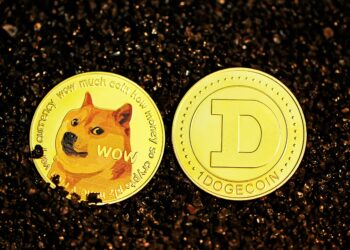
Dogecoin was created in December 2013 by software engineers Billy Markus and Jackson Palmer. Intended as a lighthearted satire of the wild speculation surrounding cryptocurrencies at the time, it featured the popular "Doge" meme—a Shiba Inu dog accompanied by broken English phrases in Comic Sans font. Despite its humorous beginnings, Dogecoin was built on a serious technological foundation: it is a fork of Luckycoin, which itself was a fork of Litecoin. This lineage endowed Dogecoin with a Scrypt-based proof-of-work consensus mechanism, making it distinct from Bitcoin's SHA-256 algorithm and allowing for faster block times and lower transaction fees.


Initially, its value was essentially zero in monetary terms. Its worth was purely cultural and communal. It was used as a "tipping" currency on social media platforms like Reddit and Twitter to reward users for creating or sharing interesting content. This fostered an incredibly strong, welcoming, and philanthropic community—a stark contrast to the often-technical and competitive atmospheres of other crypto projects. The Dogecoin community famously raised funds to sponsor NASCAR driver Josh Wise and helped finance clean water projects in Kenya. This foundational spirit of "Do Only Good Everyday" (an acronym for DOGE) became a core, intangible component of the coin's value.


The Drivers of Dogecoin Price: More Than Just a Meme
The price of Dogecoin, like all cryptocurrencies, is subject to the fundamental economic forces of supply and demand. However, several unique and amplified factors play a disproportionate role in its market movements.
1. Celebrity Endorsement and Social Media Hype: No discussion of Dogecoin's value is complete without mentioning Elon Musk. The Tesla and SpaceX CEO's tweets, often featuring Doge memes or simple phrases like "Dogecoin is the people's crypto," have repeatedly caused massive, immediate spikes in the price. This phenomenon highlights the power of influencer culture in the modern financial markets. Other celebrities like Snoop Dogg, Mark Cuban, and Gene Simmons have also contributed to its visibility. Platforms like TikTok and Reddit (notably the r/SatoshiStreetBets and r/dogecoin subreddits) can generate viral "buy" campaigns, creating short-term demand surges that dramatically impact the price.
2. The Infinite Supply Question: Unlike Bitcoin's hard cap of 21 million coins, Dogecoin has an inflationary supply model. Initially capped at 100 billion DOGE, a decision was later made to remove the cap entirely, allowing for a constant, predictable issuance of 5 billion new coins per year. Traditionally, inflation is seen as a drag on value because it dilutes holdings. For Dogecoin, this has been a double-edged sword. Critics point to it as a fundamental weakness for a store of value. Proponents argue that the steady, low inflation rate (which decreases as a percentage of the total supply over time) encourages its use as a medium of exchange rather than a hoarded asset, aligning with its original "tipping currency" purpose. It prevents excessive miner centralization and ensures the network remains active.
3. Market Sentiment and the "Greater Fool" Theory: Dogecoin is often seen as a barometer for overall retail sentiment in the crypto market. During bull runs, its low per-unit price (the psychological appeal of owning thousands or millions of "coins") attracts new, often inexperienced, investors looking for quick gains. This can lead to parabolic rallies driven more by momentum and the fear of missing out (FOMO) than by technological fundamentals. The risk, inherent in such movements, is the "greater fool" dynamic—the idea that profits rely on finding someone else willing to buy at a higher price.
4. Utility and Adoption: For any currency, utility is a cornerstone of long-term value. Dogecoin's utility has grown slowly but steadily. It is accepted by a growing number of merchants, from small online businesses to major companies like the Dallas Mavericks, Newegg, and Kronos. Its fast transaction times and low fees make it practical for small transactions. Furthermore, its integration into platforms like BitPay for payment processing adds a layer of real-world functionality. However, its utility still lags far behind its market cap and notoriety, leading many to argue that its price is disproportionately based on speculation rather than use-case.
5. The Broader Crypto Ecosystem: Dogecoin does not exist in a vacuum. Its price is heavily correlated with the movements of Bitcoin and, to a lesser extent, Ethereum. When Bitcoin experiences a major rally or correction, Dogecoin typically follows, albeit often with amplified volatility. Regulatory news, macroeconomic factors like interest rates, and institutional adoption of crypto as an asset class all indirectly influence Dogecoin's market position.
The Art and Science of Dogecoin Price Prediction
Attempting to prediction the future price of Dogecoin is an exercise fraught with uncertainty. Analysts and enthusiasts use a blend of technical analysis, fundamental analysis, and sentiment analysis, yet the coin's meme-centric nature often defies traditional models.
Technical Analysis (TA): Traders examine Dogecoin's historical price charts, looking for patterns, trends, and key support/resistance levels. Indicators like Moving Averages, Relative Strength Index (RSI), and Fibonacci retracement levels are commonly applied. However, due to Dogecoin's susceptibility to sudden, news-driven volatility, TA patterns can break down unexpectedly. A single tweet can render a meticulously drawn chart obsolete in minutes.
Fundamental Analysis (FA): This involves assessing the intrinsic value of the asset. For Dogecoin, FA looks at metrics like:
- Adoption Rate: Number of active addresses, transaction volume (value transferred), and merchant acceptance.
- Development Activity: While development is less aggressive than in Ethereum or Cardano, the maintenance and occasional upgrades to the core protocol are monitored.
- Network Security: The hash rate of the network, which indicates how much mining power is securing the blockchain.
- The Inflation Rate: Analyzing the dilutive effect of the 5-billion-coin annual issuance against growing demand.
Given the disconnect between its market cap and measurable fundamentals, pure FA is often challenging for Dogecoin.
Sentiment Analysis: This is arguably the most critical tool for a Dogecoin prediction. It involves gauging the mood of the market through social media trends, news volume, Google search data, and the tone of discussions on platforms like Twitter, Reddit, and Telegram. Tools that measure the "social dominance" or "fear and greed" index specific to Dogecoin are popular. A surge in positive sentiment, especially from key influencers, is frequently a leading indicator of a price pump.
Long-Term vs. Short-Term Predictions: Short-term predictions (days to weeks) are highly speculative and often tied to hype cycles. Long-term predictions (years) vary wildly. Some believe Dogecoin will eventually fade as the novelty wears off. Others, often called "DOGE believers," envision it becoming a widely used digital currency for everyday transactions, potentially reaching price points of $1 or more—a prediction that would require a massive increase in adoption and a fundamental shift in how its inflationary model is perceived by the market.
Risks and Considerations for Investors
Anyone considering Dogecoin as an investment must acknowledge its unique risks:
- Extreme Volatility: The price can double or halve in a matter of days or even hours. This volatility can lead to significant financial losses.
- Dependence on Hype: A substantial portion of its value is derived from social media trends and celebrity mentions, which are inherently fickle and unpredictable.
- Lack of Competitive Differentiation: Technologically, Dogecoin offers few advantages over other, more developed payment-focused cryptocurrencies like Litecoin (its parent) or even Bitcoin with its Lightning Network.
- Regulatory Uncertainty: As a major crypto asset, it is subject to the evolving and uncertain global regulatory landscape, which could impact its trading and usage.
- The "Infinite" Supply: While not truly infinite, the uncapped issuance remains a point of contention that may limit its appeal as a long-term store of value for many institutional and traditional investors.
Conclusion: What Truly Determines Dogecoin Value?
The value of Dogecoin is a complex synthesis of tangible and intangible factors. On one hand, there are measurable elements: its utility as a payment method, its secure and functional blockchain, its transaction speed, and its growing, if still niche, adoption. On the other hand, and perhaps more powerfully, there is its immense cultural capital. Dogecoin represents accessibility, humor, and community in an industry often criticized for being opaque, serious, and exclusive.
Its price is a real-time battleground where traditional market forces clash with the new dynamics of internet culture and influencer power. A prediction about its future is, therefore, not just a forecast of a financial metric but a bet on the endurance of its community and its ability to transition from a beloved meme to a sustainably useful piece of the global crypto infrastructure.
Ultimately, Dogecoin has already defied expectations by surviving and thriving for nearly a decade. Whether its value will be cemented by lasting utility or gradually eroded by its inflationary model and cyclical hype remains the central question. For now, it stands as a unique testament to the unpredictable, community-driven, and often irrational nature of the digital asset revolution—a joke that the world decided, for a time, to take very, very seriously. Its journey continues to be a compelling case study in what we collectively decide something is worth, not just in satoshis or dollars, but in cultural significance and shared belief.
Frequently Asked Questions
Frequently Asked Questions (FAQ)
1. What factors influence the value of Dogecoin?
Dogecoin's value is influenced by market supply and demand, social media trends and endorsements (particularly from high-profile figures), overall sentiment in the cryptocurrency market, and its utility for transactions and tipping.
2. Is Dogecoin a good long-term investment?
Dogecoin is considered a highly volatile and speculative asset. While it has a strong community, its inflationary supply model and origins as a meme coin mean it carries significant risk, making it unsuitable for conservative, long-term investment strategies without thorough personal research.
3. How can I buy Dogecoin?
You can purchase Dogecoin on most major cryptocurrency exchanges, such as Binance, Coinbase, Kraken, and Robinhood. The process typically involves creating an account, depositing funds, and placing an order to buy DOGE.
4. What is the difference between Dogecoin and Bitcoin?
Key differences include purpose (Bitcoin as "digital gold" vs. Dogecoin as a transactional currency), supply (Bitcoin has a capped supply of 21 million, while Dogecoin has an unlimited, inflationary supply), and transaction speed/cost (Dogecoin transactions are generally faster and cheaper).