


Ethereum and Solana, two of the leading cryptocurrencies in the blockchain space, are currently exhibiting cautionary signs as recent buy/sell pressure data reveals emerging negative trends. Market analysts and investors are closely monitoring these developments, which may signal potential shifts in momentum for both digital assets. This article delves into the underlying data, explores the implications for traders, and examines what these warning signals could mean for the near-term outlook of Ethereum and Solana.
Ethereum and Solana Show Rising Negative Buy and Sell Pressure Indicating Market Hesitation
Recent analytics reveal increased negative buy and sell pressure on both Ethereum and Solana, signaling a period of indecision among investors. This unusual market behavior suggests that investors are weighing their options carefully rather than committing heavily to buying or selling. As a result, price movements have been muted with heightened volatility, reflecting the hesitation permeating these two leading blockchain ecosystems. Such dynamics often precede significant market shifts, and traders are advised to monitor these pressure indicators closely as potential early warnings.
Key factors contributing to these forces include:


- Uncertainty around upcoming protocol upgrades and governance decisions that could impact network performance and adoption.
- External macroeconomic variables influencing broader cryptocurrency sentiment and liquidity flows.
- Profit-taking behavior from institutional investors who might be recalibrating positions amid mixed signals.
- Growing competition from emerging layer-1 blockchains challenging Ethereum and Solana’s market share.
| Metric | Ethereum | Solana |
|---|---|---|
| Negative Buy Pressure (%) | 12.4 | 10.8 |
| Negative Sell Pressure (%) | 11.7 | 9.9 |
| Volatility Index | Moderate | Moderate |
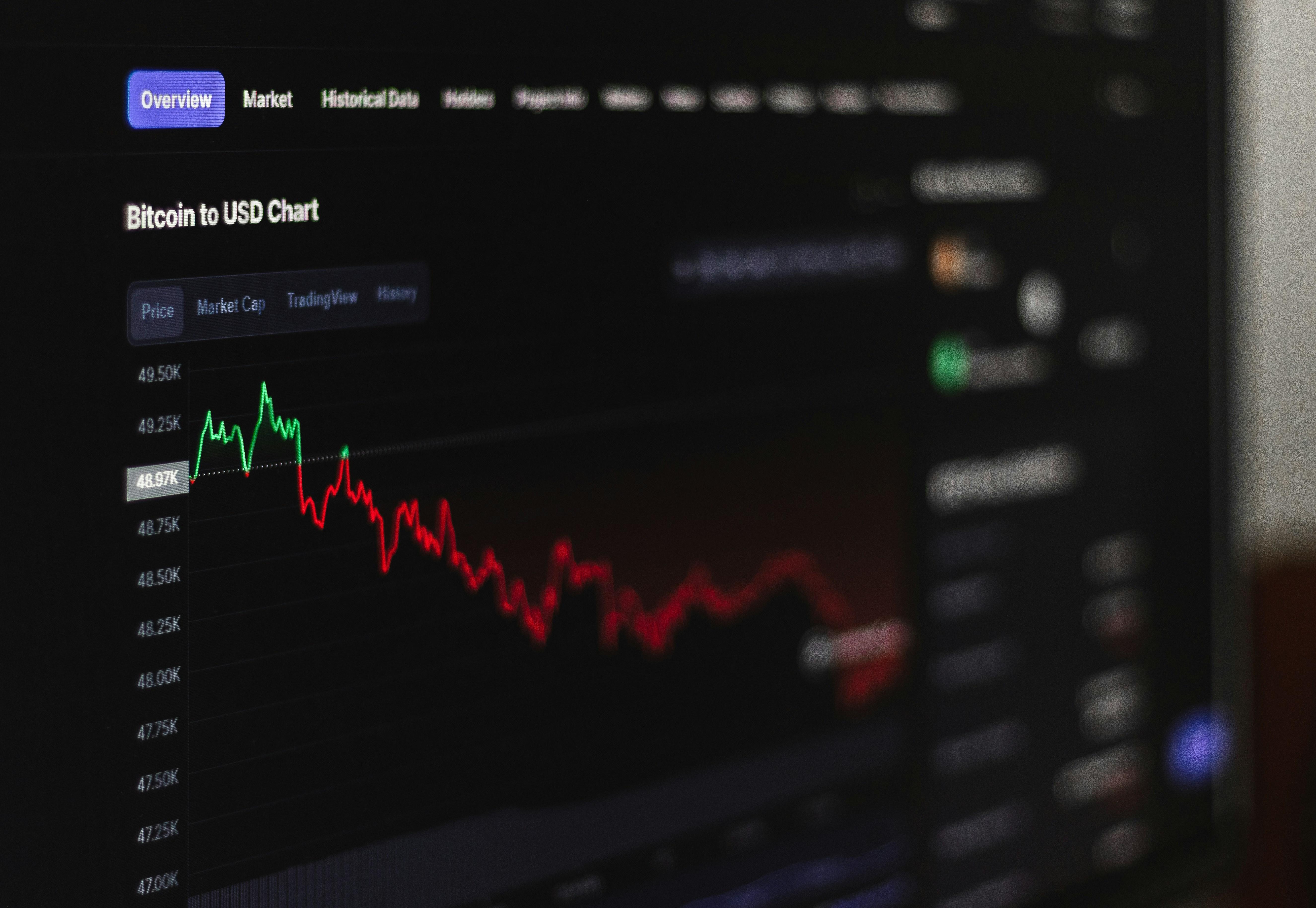
Analyzing the Underlying Factors Driving Caution in Ethereum and Solana Trading Patterns
Recent market behavior indicates a rising sense of caution among traders of Ethereum and Solana, primarily driven by a shift in buy and sell pressure metrics. The data reveals a consistent increase in sell-side activity, suggesting that investors are gradually reducing their exposure amid growing uncertainties. Several underlying factors contribute to this cautious sentiment:
- Volatility spikes: Both networks have experienced heightened price fluctuations, prompting more conservative trading strategies.
- Regulatory concerns: Intensified scrutiny from global regulators has created an atmosphere of unpredictability.
- Technical resistances: Key resistance levels have repeatedly hindered bullish momentum, encouraging profit-taking.
Market participants should also consider the influence of broader macroeconomic dynamics, which add layers of complexity to trading decisions on these platforms. Inflation pressures and shifting monetary policies contribute to an environment where risk management takes precedence over aggressive buying. This balancing act between optimism and caution underlines the current trading patterns observed in Ethereum and Solana, highlighting the necessity for vigilant monitoring as conditions evolve.
| Factor | Impact on Trading |
|---|---|
| Volatility Spikes | Increased sell volume and narrower entry points |
| Regulatory Pressure | Heightened risk aversion among investors |
| Technical Resistance | Repeated pullbacks at critical price levels |
| Macroeconomic Environment | Preference for preserving capital over seeking gains |

Implications of Negative Pressure Data for Investors and Market Sentiment
Negative buy/sell pressure data serves as a critical indicator that many investors use to recalibrate their strategies, particularly for assets as volatile as Ethereum and Solana. When this pressure tilts towards the negative, it often signals waning enthusiasm within the market, potentially foreshadowing short-term pullbacks or prolonged bearish phases. Investors, therefore, should approach positions in these cryptocurrencies with enhanced caution, placing greater emphasis on risk management and capital preservation. In this environment, strategies such as scaling into positions gradually and setting tight stop-loss orders become not just prudent, but essential.
From a market sentiment perspective, persistent negative pressure can ripple through trader psychology, dampening bullish momentum and amplifying fear-driven selling. This phenomenon frequently triggers a feedback loop that discourages fresh capital inflow, thereby creating a self-reinforcing downturn. Below is a snapshot of how negative pressure impacts investor behavior:
- Increased market volatility: Leading to sharper price swings as traders react to uncertainty.
- Heightened risk aversion: Resulting in lower trading volumes and liquidity challenges.
- Shift in market narratives: From optimism to skepticism around asset fundamentals.
| Investor Reaction | Typical Behavior |
|---|---|
| Short-term traders | Increase sell orders; exploit volatility |
| Long-term holders | Reassess portfolios; hold tight if fundamentals remain strong |
| New entrants | Exercise caution; delay purchases until clearer signals emerge |

Strategic Recommendations for Navigating Potential Volatility in Ethereum and Solana Markets
Investors eyeing Ethereum and Solana amidst rising sell pressure should consider adopting a multi-layered risk management strategy. Diversification remains paramount, as spreading exposure across different assets can shield portfolios from abrupt market dips. Additionally, setting stop-loss orders tailored to individual risk tolerance can help limit potential downside without missing out on potential rebounds. Active traders might also benefit from leveraging technical analysis tools to monitor key support and resistance levels, allowing for more informed entry and exit decisions in light of emerging volatility signals.
Given the dynamic nature of these markets, it’s crucial to stay abreast of macroeconomic indicators and network-specific updates that could influence price movements. Below is a succinct overview of practical steps investors can integrate:
- Regularly review on-chain data: Track buy/sell pressure fluctuations to anticipate trend shifts early.
- Maintain liquidity buffers: Preserve capital flexibility to capitalize on opportunistic dips or to weather downturns.
- Consider hedging strategies: Use derivatives or stablecoins to safeguard portfolio value during high volatility periods.
| Strategy | Benefit | Implementation |
|---|---|---|
| Diversification | Risk Spread | Invest across multiple assets |
| Stop-Loss Orders | Limit Losses | Set automated sell points |
| On-Chain Monitoring | Early Signal Detection | Analyze blockchain data tools |
| Liquidity Management | Flexibility | Keep reserve capital |
| Hedging | Risk Mitigation | Utilize derivatives/stablecoins |
In Conclusion
In summary, the emerging negative buy/sell pressure data for both Ethereum and Solana serves as a cautionary indicator for investors and market watchers alike. While these blockchain platforms continue to maintain significant presence and utility within the crypto ecosystem, the current metrics suggest potential short-term volatility and the need for careful risk assessment. Stakeholders should closely monitor ongoing developments and broader market conditions to navigate this uncertain landscape with informed prudence.