

Goldman Sachs has adjusted its cryptocurrency portfolio by reducing its holdings in Bitcoin (BTC) and Ethereum (ETH) while increasing investments in XRP and Solana (SOL). This strategic shift reflects the investment bank’s evolving outlook on digital assets amid ongoing market developments. The move marks a notable change in Goldman Sachs’ approach to cryptocurrency allocations, highlighting growing interest in alternative tokens beyond the dominant assets.
Goldman Sachs Adjusts Crypto Portfolio Strategy Amid Market Volatility
In response to ongoing fluctuations in the cryptocurrency market, Goldman Sachs has recalibrated its digital asset portfolio. Notably, the banking giant has reduced its exposure to cornerstone cryptocurrencies like Bitcoin (BTC) and Ethereum (ETH). This move marks a strategic shift aimed at mitigating risk as well as capitalizing on emerging trends within the sector. To rebalance, Goldman Sachs has increased its holdings in XRP and Solana (SOL), currencies known for their growing adoption and technical innovation.


The firm highlighted several factors driving this modification, including:


- Market volatility: Increased price swings necessitate more adaptive portfolio management.
- Regulatory landscape: Ongoing global discussions affecting BTC and ETH adoption.
- Technological advancements: Platforms like Solana offering faster and cheaper transactions.
- Strategic partnerships: XRP’s closer ties to banking systems aligning with Goldman Sachs’ objectives.
| Asset | Previous % Allocation | Current % Allocation |
|---|---|---|
| Bitcoin (BTC) | 45% | 30% |
| Ethereum (ETH) | 35% | 25% |
| XRP | 10% | 25% |
| Solana (SOL) | 10% | 20% |
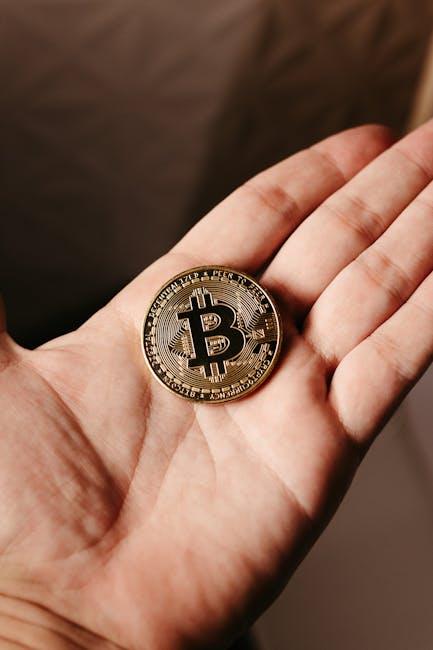
Detailed Analysis of Reduced Bitcoin and Ethereum Holdings
Goldman Sachs has strategically trimmed its exposure to Bitcoin and Ethereum, reflecting a shift in its digital asset portfolio management. This move comes amid increased market volatility and evolving regulatory landscapes. The reduction targets a combined 15% decrease in BTC and 10% decrease in ETH holdings, signaling a cautious stance on the long-term price projections of these two dominant cryptocurrencies. By recalibrating their positions, Goldman aims to optimize risk-adjusted returns while maintaining an active role in the crypto ecosystem.
The bank’s reallocation strategy is underscored by a detailed risk assessment and market trend analysis. Key factors influencing this decision include:
- Rising competition from alternative layer-1 blockchains
- Increasing transaction costs and scalability concerns in Ethereum
- Regulatory pressure and scrutiny on major crypto assets
- Market sentiment shifts towards more diversified portfolios
| Asset | Previous Holding % | Current Holding % | Change (%) |
|---|---|---|---|
| Bitcoin (BTC) | 40% | 34% | -15% |
| Ethereum (ETH) | 30% | 27% | -10% |
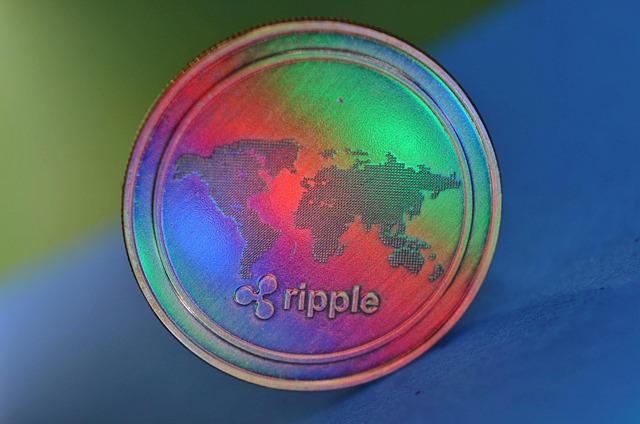
Rationale Behind Increasing Exposure to XRP and Solana
Goldman Sachs is shifting its strategy to capitalize on the evolving dynamics in the cryptocurrency market by increasing exposure to XRP and Solana (SOL). This move reflects the firm’s confidence in the unique value propositions these assets bring. XRP’s cross-border payment capabilities and growing enterprise adoption present a compelling case for its potential resilience and utility, especially amidst increasing institutional interest in efficient transaction networks. Similarly, Solana’s rapid transaction speeds, low fees, and ecosystem growth make it a strong contender in the smart contract arena, promising scalability that could attract diverse decentralized applications and DeFi projects.
The decision is also influenced by broader market trends highlighting the growing differentiation within the crypto space. Rather than focusing solely on the established giants like Bitcoin and Ethereum, Goldman’s updated portfolio acknowledges the importance of diversification and exposure to emerging technologies. Key factors in their rationale include:
- Technological Innovation: XRP’s protocol upgrades and Solana’s network performance improvements.
- Regulatory Clarity: Advancements in XRP’s legal situation increasing institutional confidence.
- Market Position: Both assets demonstrate strong developer activity and partnership growth.
| Asset | Key Strength | 2024 Performance Outlook |
|---|---|---|
| XRP | Cross-border payments | Steady growth with regulatory progress |
| Solana (SOL) | High throughput and low fees | High adoption rate in DeFi & NFTs |
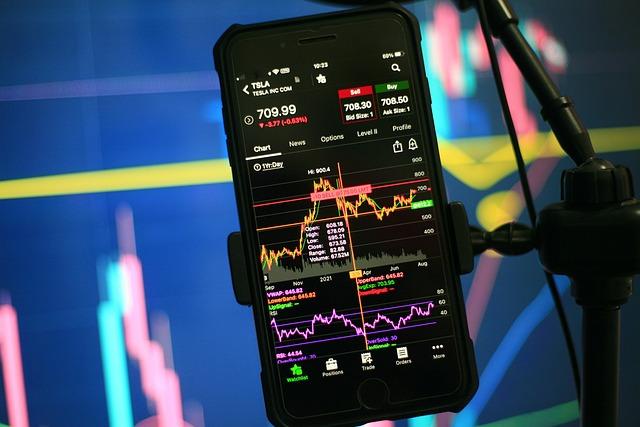
Implications for Investors and Recommendations for Portfolio Diversification
Investors should recognize that Goldman Sachs’ strategic reallocation highlights a shift toward diversifying digital assets beyond the traditional heavyweights BTC and ETH. The reduction in Bitcoin and Ethereum exposure, coupled with the addition of XRP and Solana, signals a growing confidence in altcoins that offer different use cases and technological potentials. This move suggests a potential reassessment of risk profiles, encouraging investors to contemplate the benefits of increased portfolio variety to capture emerging opportunities in blockchain innovation.
Portfolio diversification strategies may benefit from the following considerations:
- Evaluating the utility and network effect of emerging cryptocurrencies such as XRP and Solana
- Balancing stable, established assets like BTC and ETH with high-growth, niche tokens
- Monitoring shifts in institutional allocations as an indicator of evolving market sentiments
- Incorporating assets with different consensus mechanisms to reduce systemic exposure
| Asset | Goldman Sachs Exposure Trend | Key Portfolio Role |
|---|---|---|
| BTC | Decreased | Store of Value |
| ETH | Reduced | Smart Contract Leader |
| XRP | Increased | Cross-Border Transactions |
| SOL | Added | High-Speed dApps Platform |
In Conclusion
In summary, Goldman Sachs’ recent portfolio adjustments, marked by the reduction of its BTC and ETH holdings and the addition of XRP and SOL, reflect a strategic shift in the bank’s approach to digital assets. These changes underscore evolving market dynamics and highlight the institution’s efforts to diversify its cryptocurrency exposure. As the digital asset landscape continues to develop, such moves by major financial players will be closely watched by investors and industry observers alike.