

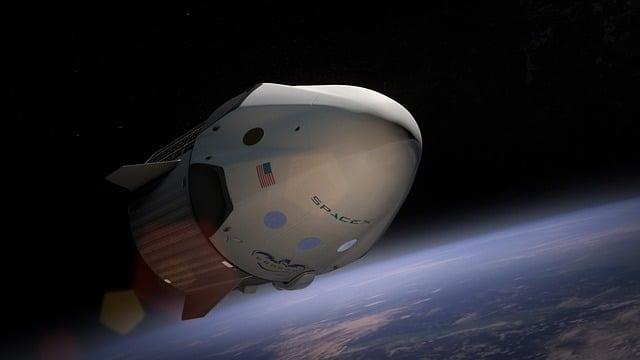
Elon Musk has integrated his artificial intelligence startup, xAI, into his aerospace company SpaceX, signaling a bold new direction in the intersection of AI and space technology. This move consolidates Musk’s ventures under a unified strategy aimed at leveraging advanced AI capabilities to accelerate developments in space exploration and related technologies. Analysts view the folding of xAI into SpaceX as a strategic play that could redefine the competitive landscape of both industries, raising questions about the future of AI-driven innovation beyond Earth.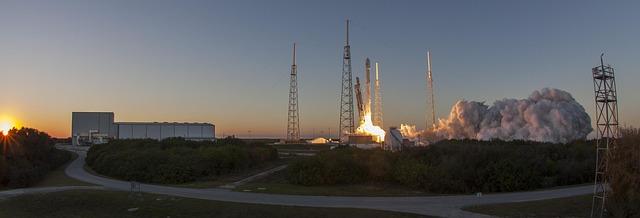
Musk Integrates xAI Into SpaceX to Accelerate Advanced AI Development
In a strategic move signaling a bold convergence between space technology and artificial intelligence, Elon Musk has officially integrated xAI into SpaceX. This merger is designed to leverage the extensive computational infrastructure and pioneering spirit of SpaceX, propelling the development of cutting-edge AI systems. By embedding AI research and development directly within the space exploration giant, Musk aims to unlock synergies that could accelerate innovations — from autonomous spacecraft navigation to enhanced mission simulations.


Key objectives outlined for the integration include:


- Optimizing AI algorithms for real-time decision making in outer space environments
- Enhancing robotics for spacecraft assembly, maintenance, and planetary exploration
- Expanding AI safety protocols with the resources and high standards of SpaceX
- Driving breakthroughs that could benefit both commercial spaceflight and terrestrial AI applications
| Focus Areas | Potential Impact |
|---|---|
| Autonomous spacecraft control | Reduced human intervention, increased mission accuracy |
| AI-powered data analysis | Faster insights from space missions, improved decision making |
| Robotic exploration | Extended reach in harsh environments, safer operations |

Strategic Implications of Combining Space Exploration and Artificial Intelligence
Integrating advanced artificial intelligence capabilities directly within the space exploration framework represents a seismic shift in how missions are designed and executed. By folding xAI into the SpaceX ecosystem, Musk is positioning the company to leverage real-time data processing and autonomous decision-making across spacecraft and rovers, potentially reducing human error and increasing mission efficiency. This fusion enables spacecraft to analyze complex environments independently, optimize fuel usage, and adapt to unforeseen challenges without constant ground control intervention — a capability that could prove crucial for deep-space journeys and off-world colonization.
Key strategic advantages include:
- Enhanced predictive maintenance through AI-driven diagnostics, minimizing downtime and repair costs
- Autonomous navigation systems capable of dynamic route adjustments based on live environmental data
- Smarter payload management ensuring optimal resource allocation and mission success
- Accelerated research and development cycles by using AI pattern recognition on vast datasets
| Domain | AI Impact | Potential Outcome |
|---|---|---|
| Propulsion Systems | AI-optimized thrust control | Fuel efficiency +15% |
| Orbital Mechanics | Real-time trajectory modeling | Reduced course correction needs |
| Robotics | Autonomous surface operations | Extended mission durations |
Potential Benefits and Challenges of the xAI and SpaceX Merger
Integrating xAI into SpaceX opens doors to synergistic opportunities where advanced artificial intelligence can directly accelerate aerospace innovation. One clear advantage lies in enhanced autonomous navigation and real-time decision-making systems for spacecraft, potentially reducing mission risks and operational costs. Moreover, combining xAI’s cutting-edge AI development with SpaceX’s vast data from space flights could lead to breakthroughs in predictive analytics, optimizing mission design and resource management. This fusion of expertise might also pioneer new frontiers in satellite operations, from maintenance to deployment efficiency.
Despite these promising prospects, the union brings a set of complex challenges. Aligning the fast-paced, experimental nature of AI research with the rigorous, safety-critical aerospace environment demands meticulous coordination. Cultural and organizational differences between the two entities could slow integration processes or create competing priorities. Additionally, managing regulatory scrutiny will be significant, given that the combined entity now spans highly sensitive sectors with overlapping jurisdictions.
| Potential Benefit | Associated Challenge |
|---|---|
| Enhanced spacecraft autonomy | Integrating AI into safety-critical systems |
| Advanced predictive analytics | Balancing AI agility with aerospace reliability |
| Optimized satellite operations | Regulatory compliance complexities |
- Accelerated innovation cycles through AI-enhanced testing and simulation
- Shared resource pools enabling cost-effective project scaling
- Potential talent retention risks amid organizational restructuring

Recommendations for Monitoring the Impact on AI Innovation and Space Industry Trends
To effectively gauge the evolving landscape shaped by Elon Musk’s strategic integration of xAI into SpaceX, stakeholders must implement continuous trackers focusing on both technological advancements and market responsiveness. Monitoring patent filings, research publications, and AI-specific startup funding within the aerospace sector can offer valuable early indicators of innovation velocity and direction. Additionally, collecting data on collaborative ventures between AI developers and space technology firms will reveal how synergistic efforts translate into tangible product enhancements or new service models.
Key focus areas for monitoring include:
- Investment flow: Tracking venture capital and private equity trends funneling into AI and space-related projects.
- Talent migration: Analyzing shifts in expert personnel moving between AI and aerospace companies.
- Regulatory changes: Observing policy updates that could accelerate or impede AI-driven aerospace innovations.
- Market disruption: Identifying startups or initiatives that disrupt traditional space industry paradigms through AI.
| Metric | Indicator | Frequency |
|---|---|---|
| Patent Activity | Number of AI-space related patents filed | Quarterly |
| Venture Capital | Amount invested in AI-driven space startups | Monthly |
| Collaborations | New partnerships between AI and aerospace firms | Bi-annually |
| Talent Flow | Recruitment trends in AI and space industries | Annually |
Closing Remarks
As Elon Musk integrates xAI into SpaceX, the move signals a strategic consolidation aimed at advancing the ambitious goals of both ventures. By combining cutting-edge artificial intelligence with aerospace innovation, Musk positions SpaceX to explore new frontiers in technology and space exploration. Observers will be watching closely to see how this unified approach influences the trajectory of AI development and the future of space missions.