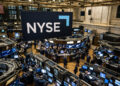

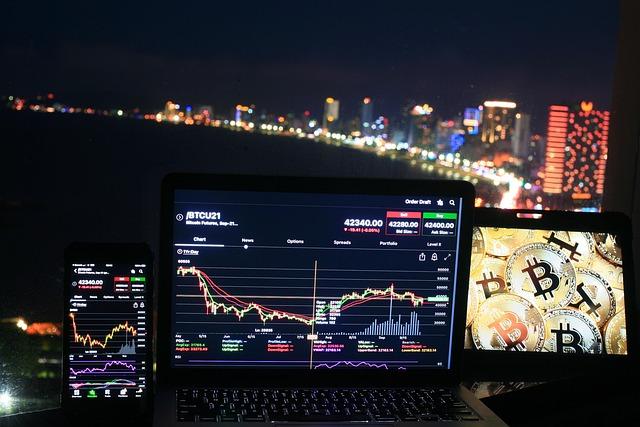
In a landmark decision poised to reshape the future of financial markets, the U.S. Securities and Exchange Commission (SEC) has granted approval to Nasdaq for the launch of tokenized securities. This regulatory green light marks a significant step toward integrating blockchain technology within traditional Wall Street frameworks, signaling the industry’s growing embrace of digital assets. As Nasdaq becomes one of the first major exchanges to facilitate on-chain trading of tokenized securities, experts anticipate a new era of increased liquidity, transparency, and efficiency in capital markets.
Nasdaq Secures Regulatory Green Light Paving the Way for Tokenized Securities
In a landmark decision, the Securities and Exchange Commission (SEC) has granted Nasdaq the regulatory approval needed to launch its innovative platform for tokenized securities. This move marks a significant shift in the financial landscape, as it bridges traditional capital markets with the decentralized world of blockchain technology. Industry experts hail this development as a pivotal moment that could accelerate the adoption of digital assets on Wall Street, enhancing liquidity, transparency, and settlement efficiency.

The newly approved platform will offer several groundbreaking features, including:

- Seamless integration of blockchain with existing market infrastructure
- Enhanced security protocols to safeguard investor interests
- Rapid settlement times reducing transaction delays
- Broader access for retail and institutional investors to diverse asset types
| Feature | Benefit |
|---|---|
| Tokenized Securities | Fractional ownership & liquidity |
| Blockchain Settlement | Near-instant clearing |
| Smart Contracts | Automated compliance |

Implications for Wall Street Firms Embracing Blockchain Integration
Wall Street firms integrating blockchain technology stand at the precipice of a seismic shift in operational dynamics and market engagement. By embracing tokenized securities, these financial powerhouses can realize faster settlement times, enhanced transparency, and reduced counterparty risks, fundamentally reshaping traditional trading frameworks. The blockchain’s immutable ledger fosters robust auditability, streamlining compliance processes that have historically been cumbersome and opaque. As a result, firms are not only positioned to cut operational costs but also to unlock innovative products tailored to tech-savvy investors.
However, adoption brings multifaceted challenges that firms must strategically navigate. Regulatory alignment remains paramount, necessitating adaptive compliance frameworks to keep pace with evolving SEC guidelines around digital assets. Additionally, legacy systems require significant overhauls or integration layers to ensure seamless data flow between blockchain platforms and existing infrastructure. Key implications include:
- Increased demand for blockchain-savvy talent to manage and innovate on the technology stack.
- Revised risk management protocols tailored to the unique characteristics of tokenized assets.
- Potential market democratization, enabling broader participation beyond institutional investors.
| Aspect | Traditional Model | Blockchain-Integrated Model |
|---|---|---|
| Settlement Speed | 2-3 days | Minutes to hours |
| Transparency | Limited to intermediaries | Full ledger visibility |
| Operational Costs | High due to intermediaries | Lower through automation |
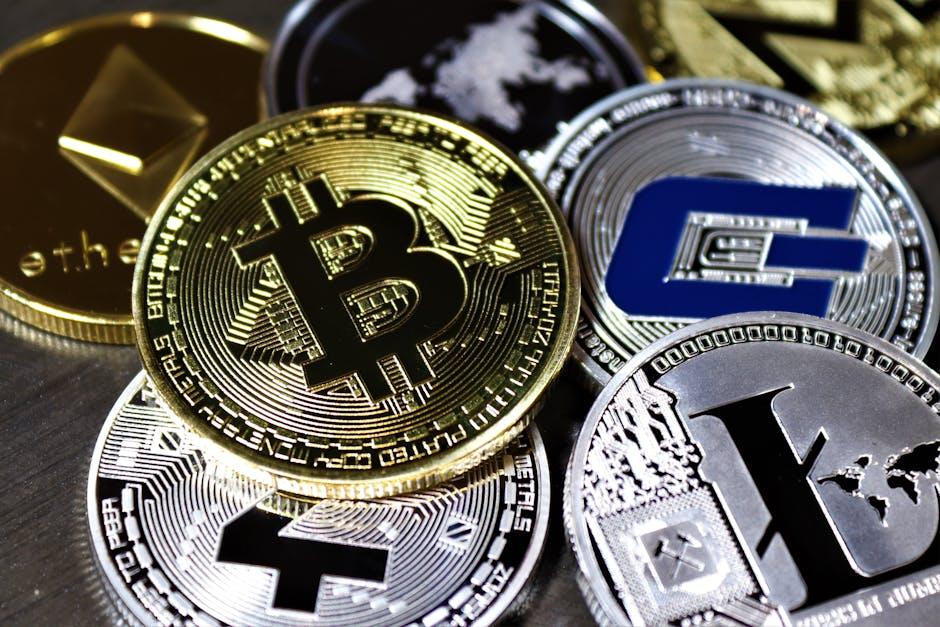
How Tokenized Assets Could Transform Market Liquidity and Transparency
By digitizing traditional assets, tokenization unlocks unprecedented levels of liquidity in markets that have long been hindered by cumbersome processes and limited access. Investors can now engage in fractional ownership, lowering entry barriers and enabling faster, more efficient trading around the clock. This shift not only democratizes market participation but also fosters a new ecosystem where assets can be seamlessly bought, sold, or transferred without the delays of legacy settlement frameworks.
Transparency is equally revolutionized, as blockchain technology serves as a tamper-proof ledger providing real-time visibility into asset provenance and transaction history. Participants benefit from enhanced trust and compliance, while regulators gain improved oversight capabilities. Key benefits include:
- Instant settlement: Reduced counterparty and settlement risks.
- Broader access: Global participation without geographic or institutional constraints.
- Automated compliance: Smart contracts ensuring regulatory adherence at every step.
| Feature | Traditional Market | Tokenized Market |
|---|---|---|
| Settlement Time | Days | Minutes |
| Access | Restricted | Global, 24/7 |
| Ownership | Whole Units | Fractional |
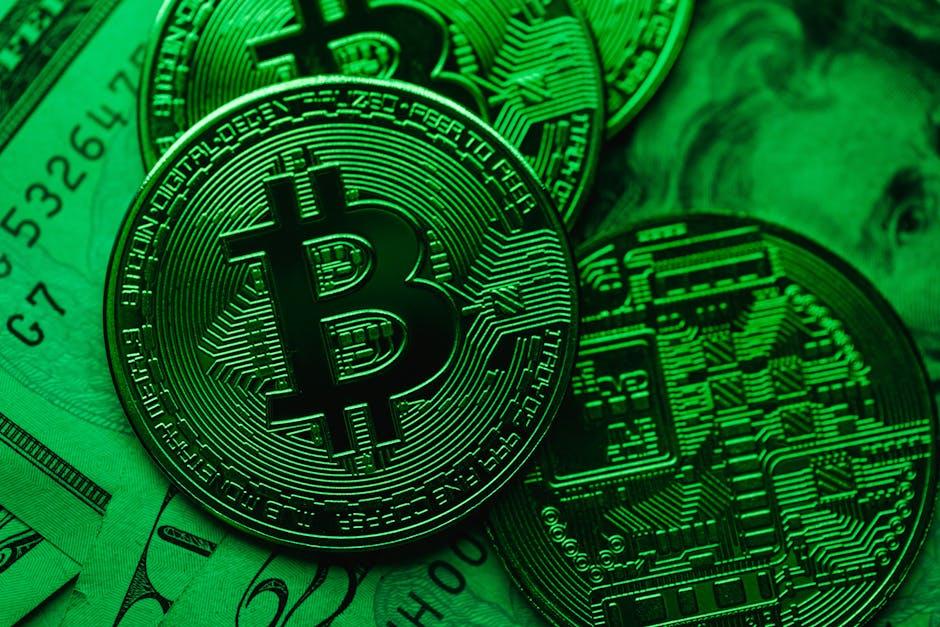
Strategic Recommendations for Investors Navigating the New On-Chain Landscape
Investors eager to capitalize on the intersection of traditional finance and blockchain technology should prioritize diversification and due diligence in this evolving ecosystem. With Nasdaq’s recent SEC approval for tokenized securities, market participants must adapt their strategies by embracing platforms that provide transparent, regulated on-chain environments. Key areas to focus on include:
- Compliance Monitoring: Ensure all investments comply with evolving regulatory frameworks to mitigate legal risks.
- Liquidity Assessment: Favor tokenized securities with robust liquidity to navigate secondary markets efficiently.
- Technological Reliability: Partner with exchanges and custodians employing cutting-edge blockchain infrastructure for enhanced security and speed.
Furthermore, a structured approach to risk management tailored specifically to on-chain assets is essential. Below is a comparative overview of key investment attributes distinguishing tokenized securities from traditional instruments:
| Aspect | Tokenized Securities | Traditional Securities |
|---|---|---|
| Settlement Time | Minutes to hours | Days |
| Transparency | Blockchain-based, highly transparent | Subject to intermediary disclosure |
| Accessibility | Global, 24/7 markets | Limited by trading hours and geography |
| Regulatory Oversight | Regulated via SEC with blockchain integration | Established regulatory regimes |
Wrapping Up
The SEC’s approval of Nasdaq’s tokenized securities platform marks a pivotal moment in the integration of traditional finance and blockchain technology. As Wall Street begins to embrace on-chain assets, market participants can expect increased transparency, efficiency, and accessibility in securities trading. This development not only signals a shift toward the digitization of financial markets but also sets a precedent for future regulatory frameworks surrounding digital assets. As the industry adapts, all eyes will be on Nasdaq to see how this innovative approach shapes the future of investment and capital markets.