

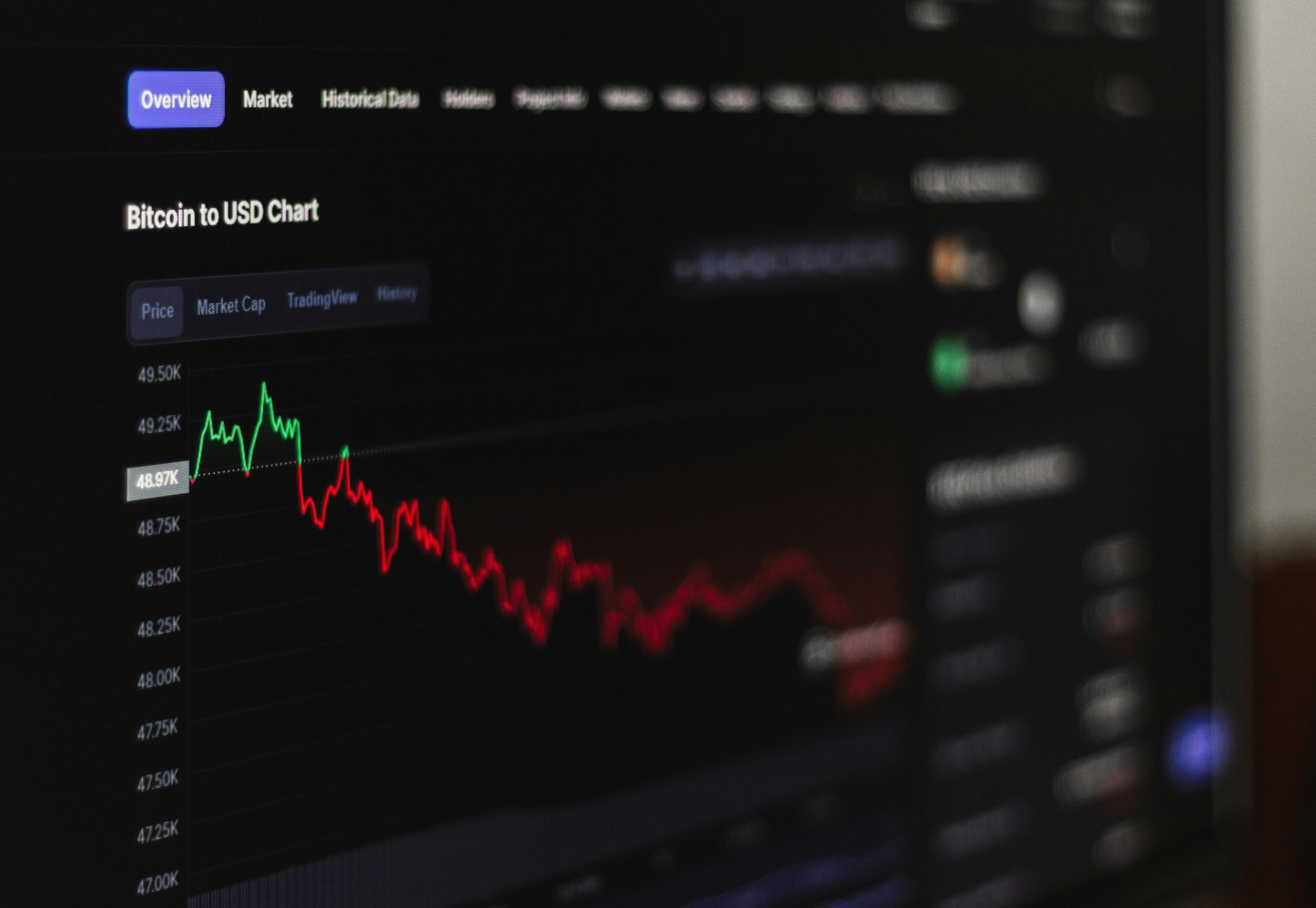
In February, Ethereum experienced a significant price decline that left investors and market analysts searching for answers. At the same time, the blockchain witnessed an unprecedented surge in the migration of ETH assets to cold storage wallets, signaling a notable shift in user behavior. This article examines the intriguing intersection between the sharp price drop and the record-breaking move toward enhanced security measures, exploring the factors that link Ethereum’s market dynamics and its ecosystem’s evolving risk management strategies.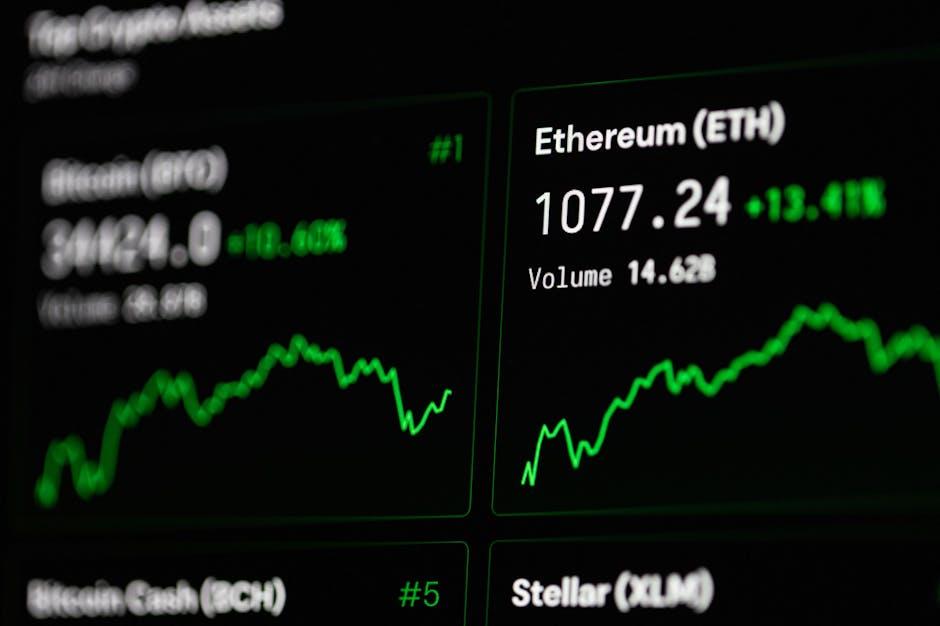
Ethereum Price Plummets Amid Unprecedented Shift to Cold Storage
In a striking development that turned heads across the crypto sphere, Ethereum’s value experienced a steep decline coinciding with a record-breaking migration of assets into cold storage wallets. This mass exodus from hot wallets, typically used for active trading and liquidity, signals a contrasting behavior – investors are increasingly prioritizing security and long-term custody over short-term market participation. Key drivers behind this unprecedented shift include rising concerns over exchange vulnerabilities and escalating geopolitical tensions affecting global markets.


Analysts emphasize that the phenomenon is not merely a liquidity squeeze but a fundamental recalibration of market psychology. The spike in cold storage deposits highlights:


- Heightened risk aversion among institutional and retail holders
- Expanded use of hardware wallets to combat potential cyber threats
- Reduced circulating supply as coins become temporarily inaccessible for trading
| Metric | February 2024 | January 2024 |
|---|---|---|
| Cold Storage Inflows (ETH millions) | 1.8 | 0.7 |
| Price Drop (%) | −22% | −4% |
| Exchange Wallet Holdings (ETH millions) | 4.3 | 6.1 |

Analyzing the Factors Behind the February Market Crash and Security Trends
The market upheaval in February was not driven by price action alone but closely intertwined with a significant technological shift within the Ethereum ecosystem. While prices plummeted, a parallel surge in users migrating assets to cold storage hinted at growing concerns around security and custodial risk. This migration pattern signals a proactive investor response aimed at safeguarding digital assets amid rising market volatility. As exchanges and hot wallets faced increased scrutiny, Ethereum holders prioritized control over their private keys, marking a defensive stance against potential systemic shocks.
Several factors contributed to the intensity of this trend:
- Escalating Network Uncertainty: Heightened fears of smart contract exploits and wallet breaches triggered accelerated movements to offline storage.
- Reduced Liquidity Events: Investors anticipated fewer profitable exit points, prompting long-term cold storage as asset preservation moved to the forefront.
- Market Sentiment Shift: The convergence of price instability with security awareness fostered a behavioral pivot from speculative trading to asset protection.
| Factor | Impact | Resulting Behavior |
|---|---|---|
| Smart Contract Vulnerabilities | Increased risk perception | Migration to cold wallets surged 40% |
| Exchange Outflows | Liquidity tightening | Long-term holding favored |
| Market Volatility | Price instability | Asset security prioritized |

Implications of Cold-Storage Migration for Ethereum Liquidity and Trading Dynamics
As Ethereum holders increasingly migrated their tokens to cold storage wallets during February, the on-chain liquidity available for trading experienced a marked constriction. This mass exodus of assets off exchanges and hot wallets meant fewer coins were accessible for immediate transactions, thereby tightening the Ethereum order books. Market makers and traders faced higher slippage and volatility, as the supply side of liquidity pools thinned without a commensurate drop in demand. The resulting imbalance exacerbated price fluctuations, contributing to the sharp crash witnessed alongside the record cold-storage migration.
Key consequences of this migration include:
- Reduced immediate sell-side pressure: With tokens locked away, short-term dumping potential diminished, paradoxically increasing volatility due to limited sell options.
- Amplification of price swings: Lower liquidity pools intensified the impact of large trades, triggering sharper price movements and wider bid-ask spreads.
- Shift in trading behavior: Traders needed to adapt strategies, leaning on derivatives and smaller volumes to navigate the constrained environment.
| Liquidity Metric | January | February |
|---|---|---|
| ETH on Exchanges (millions) | 21.3 | 17.8 |
| Average Bid-Ask Spread (%) | 0.25 | 0.42 |
| 24h Average Slippage (%) | 0.18 | 0.33 |
This evidence illustrates how cold-storage migration can indirectly shape market dynamics by constraining liquidity plumbing beneath the surface. Stakeholders eyeing Ethereum’s price action must therefore consider these structural shifts in asset custody as integral factors influencing volatility and market health.

Strategic Recommendations for Investors Navigating Volatility and Asset Security
In times of heightened market turbulence, investors are increasingly prioritizing the security of their holdings over short-term gains. The February plunge in Ethereum’s price, juxtaposed with an unprecedented exodus to cold-storage wallets, underscores the critical need for asset preservation strategies that can mitigate risk during volatility. Investors are advised to adopt a multi-faceted approach that balances active market participation with robust offline storage solutions.
- Prioritize cold storage: Moving significant portions of crypto assets to hardware wallets or cold-storage solutions reduces exposure to exchange failures or hacking incidents.
- Maintain liquidity buffers: Reserve a smaller, more agile portion of assets in hot wallets or on exchanges to capitalize on market opportunities while keeping the bulk protected offline.
- Diversify holdings: Spreading risk across different asset classes and blockchain networks can help cushion against sector-specific shocks.
- Regularly reassess risk tolerance: Volatility calls for dynamic portfolio management tailored to shifting market conditions and personal investment horizons.
| Strategy | Benefit | Key Consideration |
|---|---|---|
| Cold Storage Migration | Maximizes security, reduces theft risk | Requires physical security & backup |
| Liquidity Allocation | Enables quick market response | Risk of instant losses in volatility |
| Portfolio Diversification | Reduces correlation risk | Requires ongoing market research |
Future Outlook
In conclusion, Ethereum’s February price downturn, juxtaposed with an unprecedented surge in cold-storage migration, highlights a complex dynamic between market sentiment and long-term investor strategy. While the crash underscored short-term volatility and profit-taking pressures, the record movement of assets into cold wallets signals growing confidence among holders in Ethereum’s future value and security. This divergence serves as a crucial reminder that price fluctuations do not always reflect the underlying health or conviction within blockchain ecosystems. As the market continues to evolve, monitoring such on-chain behaviors alongside price action will be essential for investors, analysts, and stakeholders aiming to understand Ethereum’s trajectory in an increasingly intricate crypto landscape.