

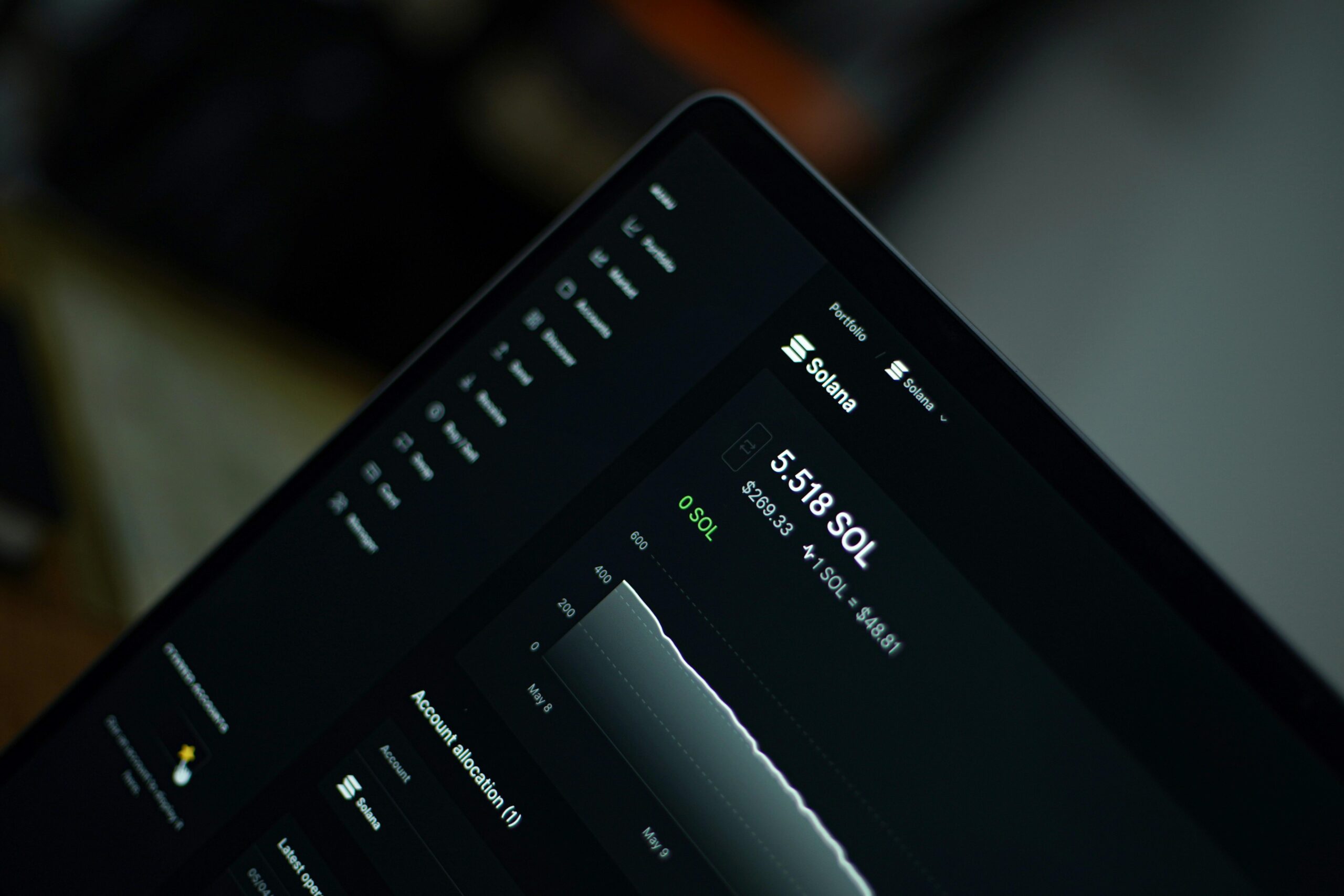
If you’ve been dipping your toes into the world of cryptocurrencies lately, chances are you’ve heard the name Solana popping up more and more. Known for its lightning-fast transaction speeds and low fees, Solana is quickly making a name for itself as one of the most promising blockchain platforms out there. But what exactly is Solana, and why is it generating so much buzz among crypto enthusiasts and investors alike? In this article, we’ll break down the basics of Solana crypto, explore what sets it apart from the pack, and take a peek at what the future might hold for this rising star in the decentralized space.
Why Solana Is Making Waves in the Crypto World Right Now
Speed and scalability have become more than mere buzzwords in blockchain tech, and Solana nails them with a near-perfect balance. Its unique Proof of History (PoH) consensus mechanism allows the network to process over 65,000 transactions per second—far faster than Ethereum and Bitcoin. This blazing speed means lower fees and quicker confirmations, making it a favorite for developers looking to build decentralized applications (dApps) without the usual bottlenecks. Plus, the ecosystem’s rapid growth has attracted everything from NFT marketplaces to DeFi platforms, creating a diverse and dynamic environment.
What really sets Solana apart is its developer-friendly approach paired with thriving community engagement. Here’s a quick peek at what fuels the hype:
- Robust infrastructure: Easy-to-use SDKs and comprehensive documentation.
- Vibrant ecosystem: Hundreds of projects ranging from gaming to decentralized finance.
- Strong partnerships: Collaborations with major firms driving mainstream adoption.
| Feature | Solana | Ethereum |
|---|---|---|
| Transactions per second | 65,000+ | 15-30 |
| Average fee | <$0.01 | $5-$50 |
| Consensus mechanism | Proof of History (PoH) | Proof of Stake (PoS) |
Breaking Down Solana’s Speed and Scalability Advantages
At the core of Solana’s remarkable performance lies its innovative Proof of History (PoH) mechanism, a unique timestamping technique that efficiently sequences transactions before they’re even processed. This native feature allows Solana to dramatically slash validation times, enabling the blockchain to handle an incredible number of transactions per second (TPS) compared to traditional networks. By integrating PoH with a highly optimized Proof of Stake consensus protocol, Solana achieves blazing fast throughput without compromising decentralization or security.
Beyond the tech genius of PoH, Solana’s architecture boasts several other factors pushing its speed and scalability to the forefront. Here’s a quick glimpse:
- Parallel transaction processing through a system called Sealevel
- A streamlined pipelining process that ensures validators receive and verify data concurrently
- Low network fees, making high-volume activity economically viable
| Aspect | Solana | Typical Blockchain |
|---|---|---|
| Transactions Per Second (TPS) | ~65,000 | ~15-30 |
| Average Block Time | 400 ms | 10+ seconds |
| Transaction Fee | <$0.001 | Varies, up to several $ |
What Investors Need to Know Before Diving Into Solana Crypto
Before jumping into the world of Solana, investors should grasp the unique speed and scalability features that set it apart from other cryptocurrencies. Solana’s blockchain supports thousands of transactions per second, thanks to its innovative Proof of History mechanism combined with Proof of Stake. This results in lightning-fast confirmations and minimal fees, which can be a game-changer for traders and decentralized application (dApp) users alike. But with great speed comes the question of security and decentralization, factors that deserve a close look before committing funds.


Another aspect to consider is Solana’s growing but still maturing ecosystem. While it boasts a rich collection of DeFi projects, NFTs, and Web3 applications, the network has experienced a few high-profile outages in the past. Understanding the risks and rewards means weighing Solana’s potential for innovation against the technical challenges it faces. Here’s a quick snapshot of what to keep on your radar:

- Network Performance: Extremely fast but occasionally prone to downtime
- Community Support: Active developer base and expanding partnerships
- Market Volatility: High price swings common in emerging crypto assets
- Investment Horizon: Suitable for both short-term gains and long-term holds
| Factor | Pro | Con |
|---|---|---|
| Transaction Speed | 3,000+ TPS | Occasional network congestion |
| Fees | Low to negligible | Vulnerable during peak demand |
| Developer Activity | Rapid growth | Still smaller ecosystem than Ethereum |
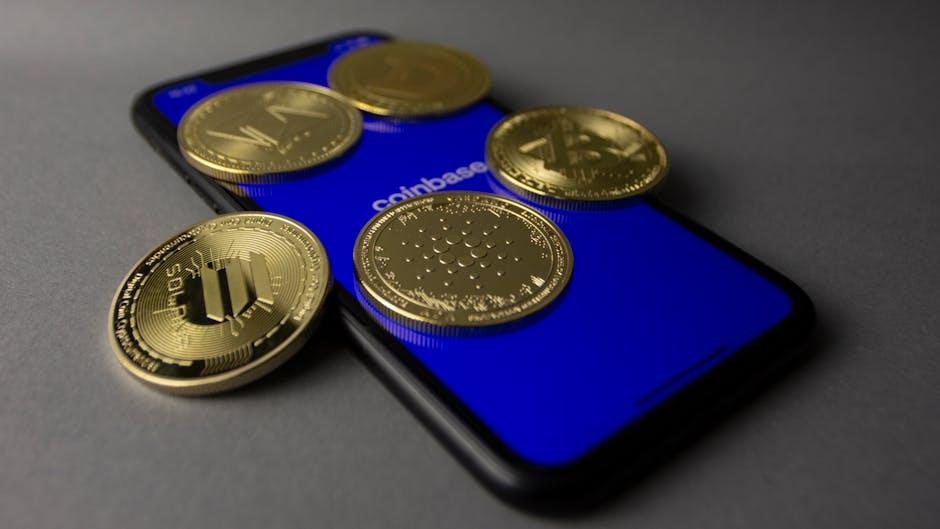
Tips for Safely Navigating Solana’s Growing Ecosystem
The Conclusion
As Solana continues to make waves in the crypto world with its speed and scalability, it’s clear that this blockchain is more than just a passing trend. Whether you’re a seasoned investor or a curious newcomer, keeping an eye on Solana’s development could pay off in the long run. Sure, there are risks—like with any crypto—but the platform’s growing ecosystem and innovative approach make it one to watch. So, buckle up and stay tuned; Solana might just be the next big thing shaking up the blockchain space.